
theoretical capacity · m³/h
The theoretical capacity in the catalog describes the capacity level under corresponding configurations and cycle conditions, used to compare equipment, not the unconditionally achievable hourly output.
CAPACITY & PRODUCTION PLANNING
Target daily output, peak hourly demand, and actual production conditions jointly determine the specifications of batching plant. theoretical capacity, main mixer, output per batch amounts, and on-site output use different metrics respectively.

01 / CAPACITY DEFINITIONS
The theoretical capacity in the catalog describes the capacity level under corresponding configurations and cycle conditions, used to compare equipment, not the unconditionally achievable hourly output.
The volume of concrete discharged from each batch of main mixer. 2000 L equals 2 m³; the input capacity and output capacity have different calibers, and the concrete supply volume is calculated using the output capacity.
The actual qualified concrete output completed on-site over a period of time is affected by the formula, mixing time, measurement and transportation, vehicle receiving, and shutdown.
Daily production capacity is calculated based on effective production time and actual cycle. The ten-hour operating time also includes cleaning, material change, and maintenance arrangements.
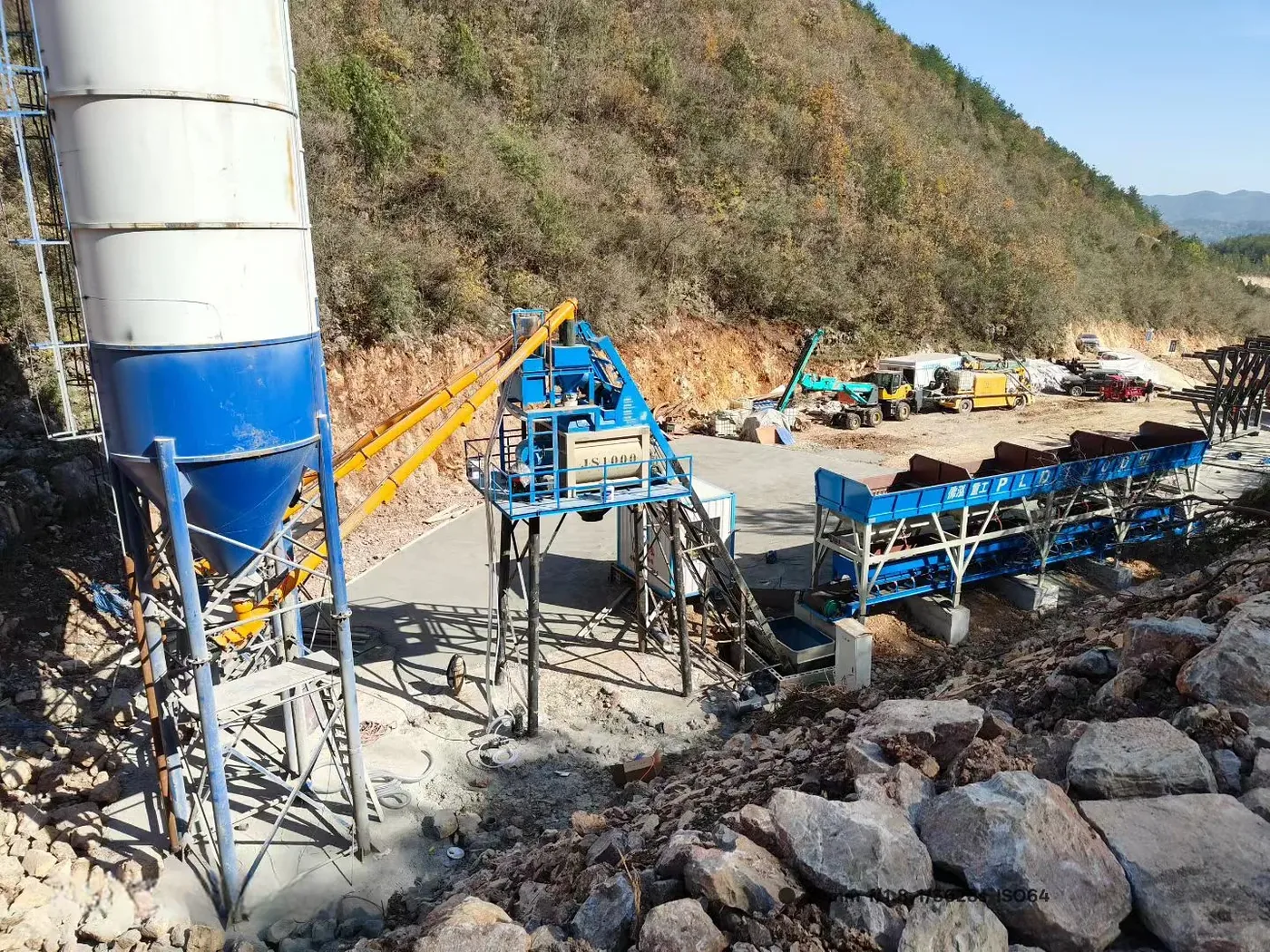
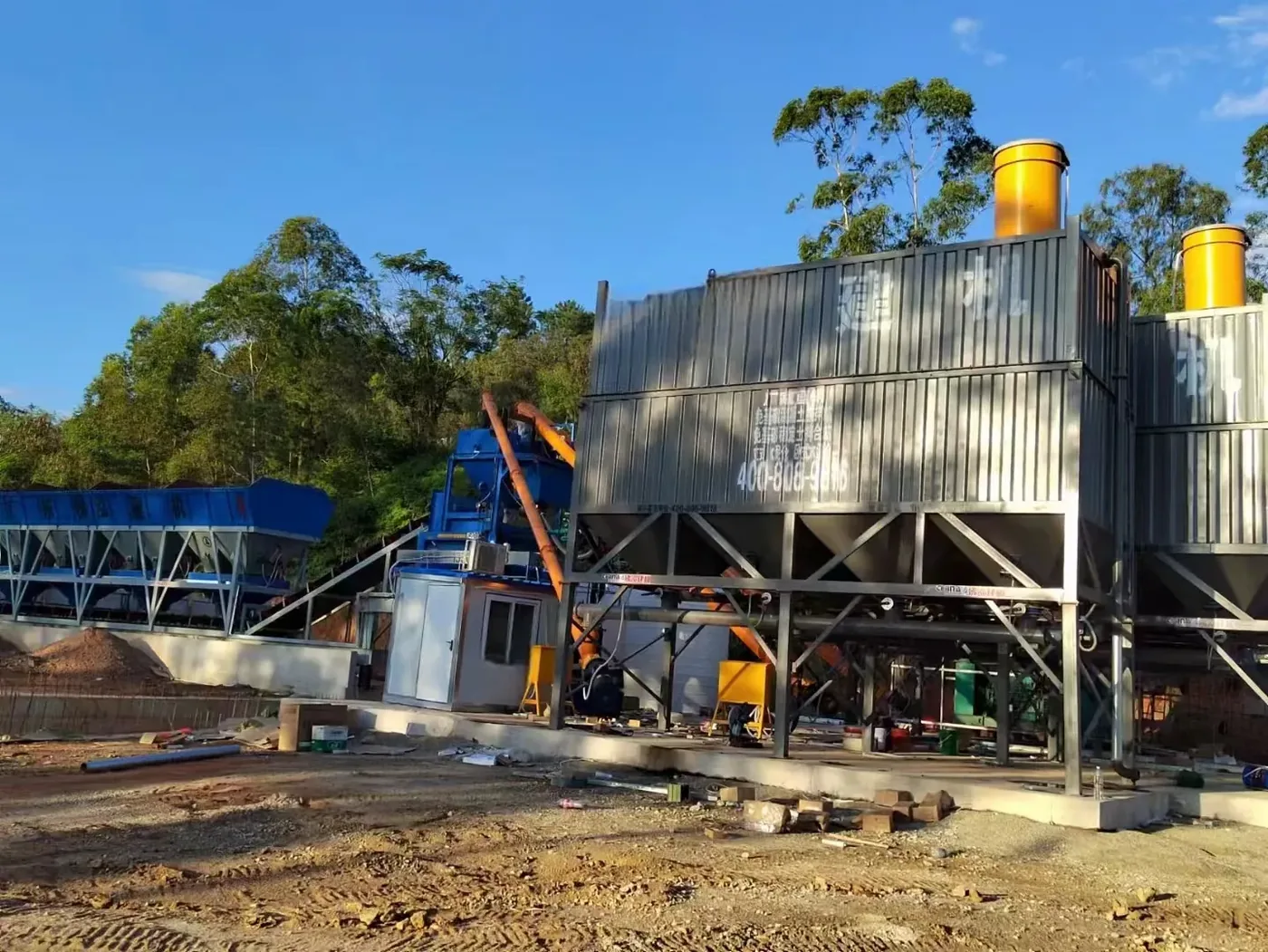
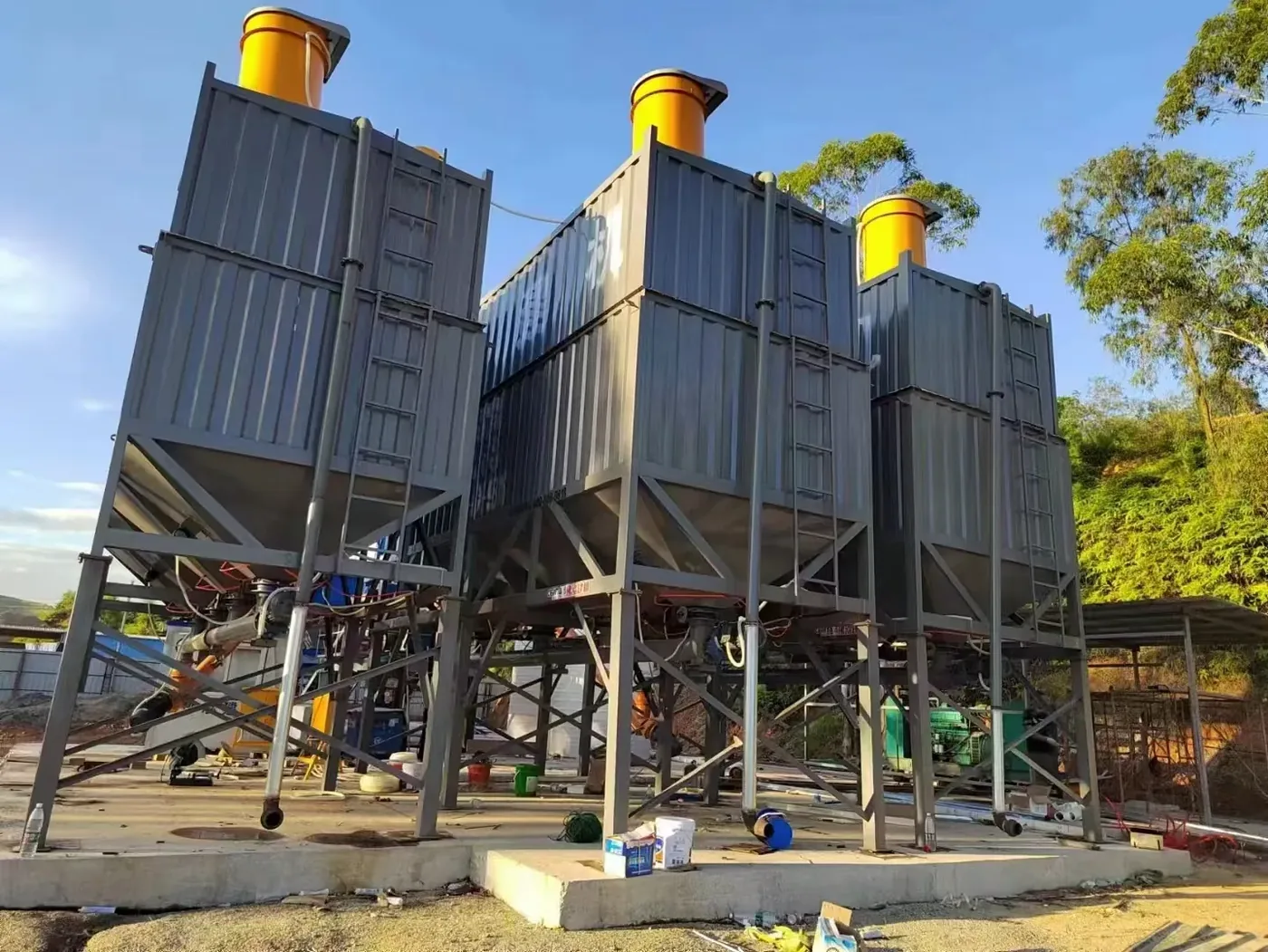
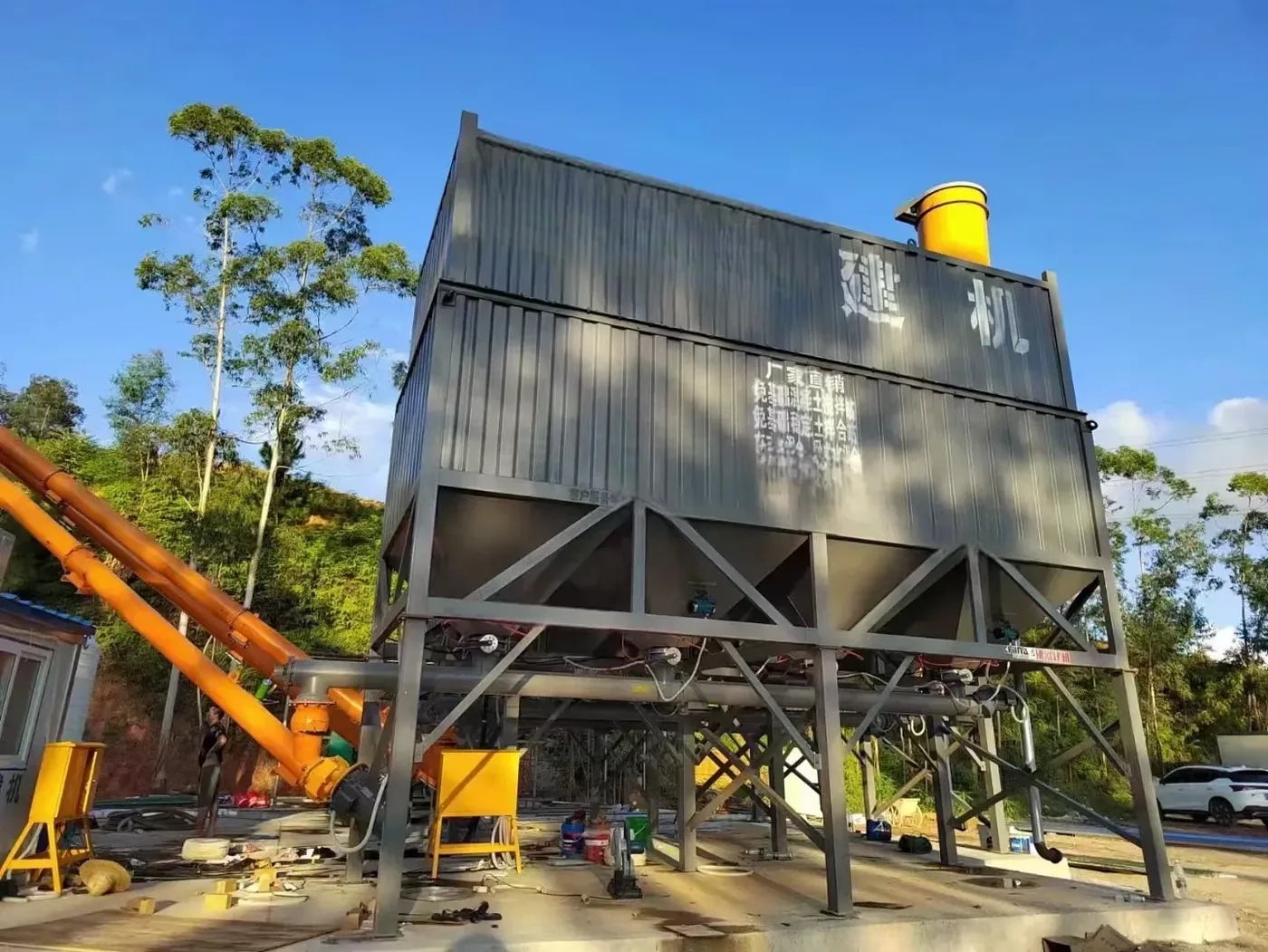
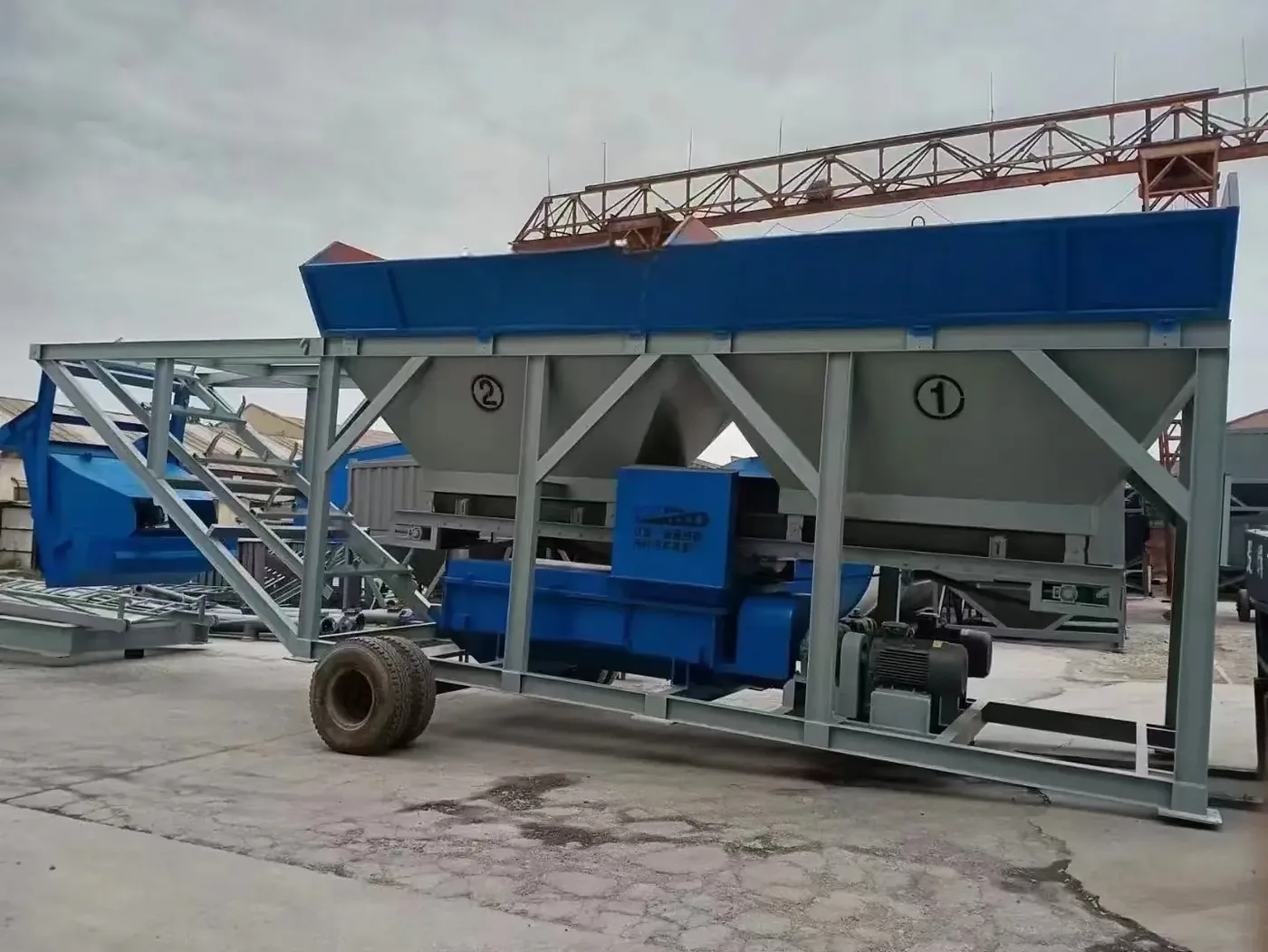
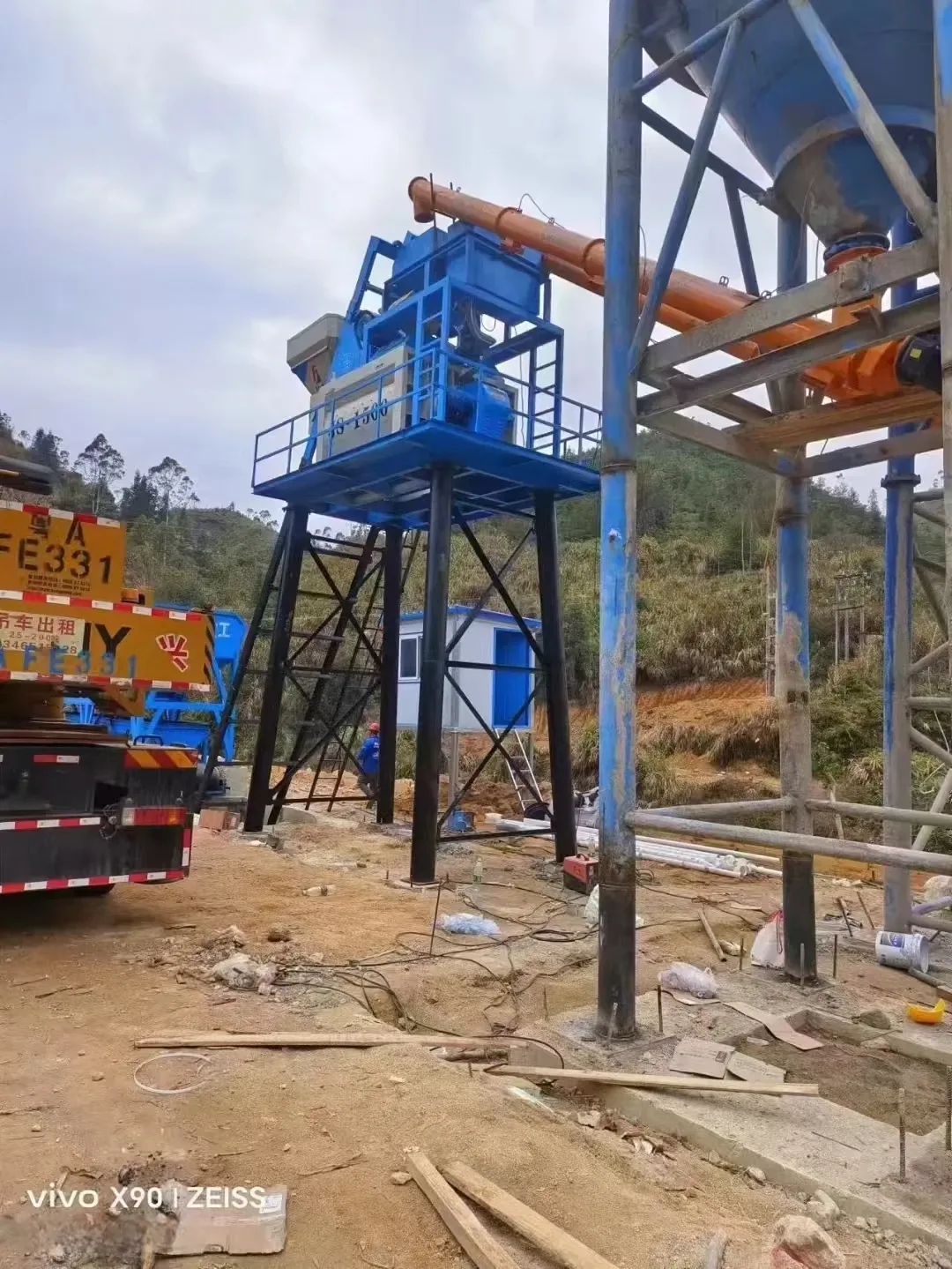
REAL EQUIPMENT / PROJECT PHOTOS
Explore equipment layouts, components and installation details. Request the specifications and supply list for the configuration you need.
02 / CATALOGUE EXAMPLES
| Project | HZS120 foundation-free series | HZS180 Box Series |
|---|---|---|
| theoretical capacity | 120 m³/h | 180 m³/h |
| main mixer | JS2000 | JS3000 |
| main mixer output per batch | 2000 L / 2 m³ | 3000 L / 3 m³ |
| main mixer mixing power | 2 × 37 kW | 2 × 55 kW |
Source: Product catalog pages 5, 6, and 9. The above corresponds to the catalog configuration; actual supply is subject to the quotation list. The complete plant cycle also includes ingredients, conveying, and unloading time beyond the single machine.
03 / PRODUCTION REQUIREMENTS
output per batch quantity × batches completed per hour can help understand production output; the number of batches per hour is determined by complete plant operating conditions. HZS name and single-machine cycle are reference data.
04 / PURCHASE QUESTIONS
Theoretical values can be used for model comparison, but the actual differences in specific projects also depend on the mix, circulation, feeding, and vehicle coordination. When purchasing, the entire configuration under the same production task should be compared.
A double line refers to two sets of HZS systems in parallel, allowing separate lines for production and maintenance. Shared components and actual operating conditions will affect the overall output, with total capacity calculated based on the specific system configuration.