
Pouring volume and peak periods
Provide total concrete volume, construction cycle, target daily output, work shifts, and peak hour demand, and specify special tasks such as continuous large-volume pouring or dispersed construction points.
ON-SITE CONCRETE PLANTS / Project Stations
Equip construction sites with self-built batching plant for highway, bridge and tunnel, water conservancy, municipal, and building projects. Select large-scale equipment according to the pouring schedule, peak material supply, project cycle, site transfer requirements, and site and utility conditions.

PROJECT REQUIREMENTS
The engineering station needs to follow the construction organization for material supply. Model selection should revolve around the casting task, concrete mix, raw material supply, installation site, and project schedule.
Provide total concrete volume, construction cycle, target daily output, work shifts, and peak hour demand, and specify special tasks such as continuous large-volume pouring or dispersed construction points.
Explain the intended use of the concrete, commonly used grades, aggregate size and type, powder and additive quantities. Formula requirements will affect main mixer, measurement, silos, and testing interface configuration.
Provide available length and width, roads, lifting, installation height, ground bearing capacity, voltage and frequency, water supply and drainage conditions. Remote projects also need to verify material preparation, spare parts, and on-site service arrangements.
Long-term on-site projects usually adopt large, fixed production organizations; projects involving split shipments, on-site installation, or subsequent relocation can be relatively modular series. Multi-stage projects incorporate disassembly and transportation conditions into the plan.
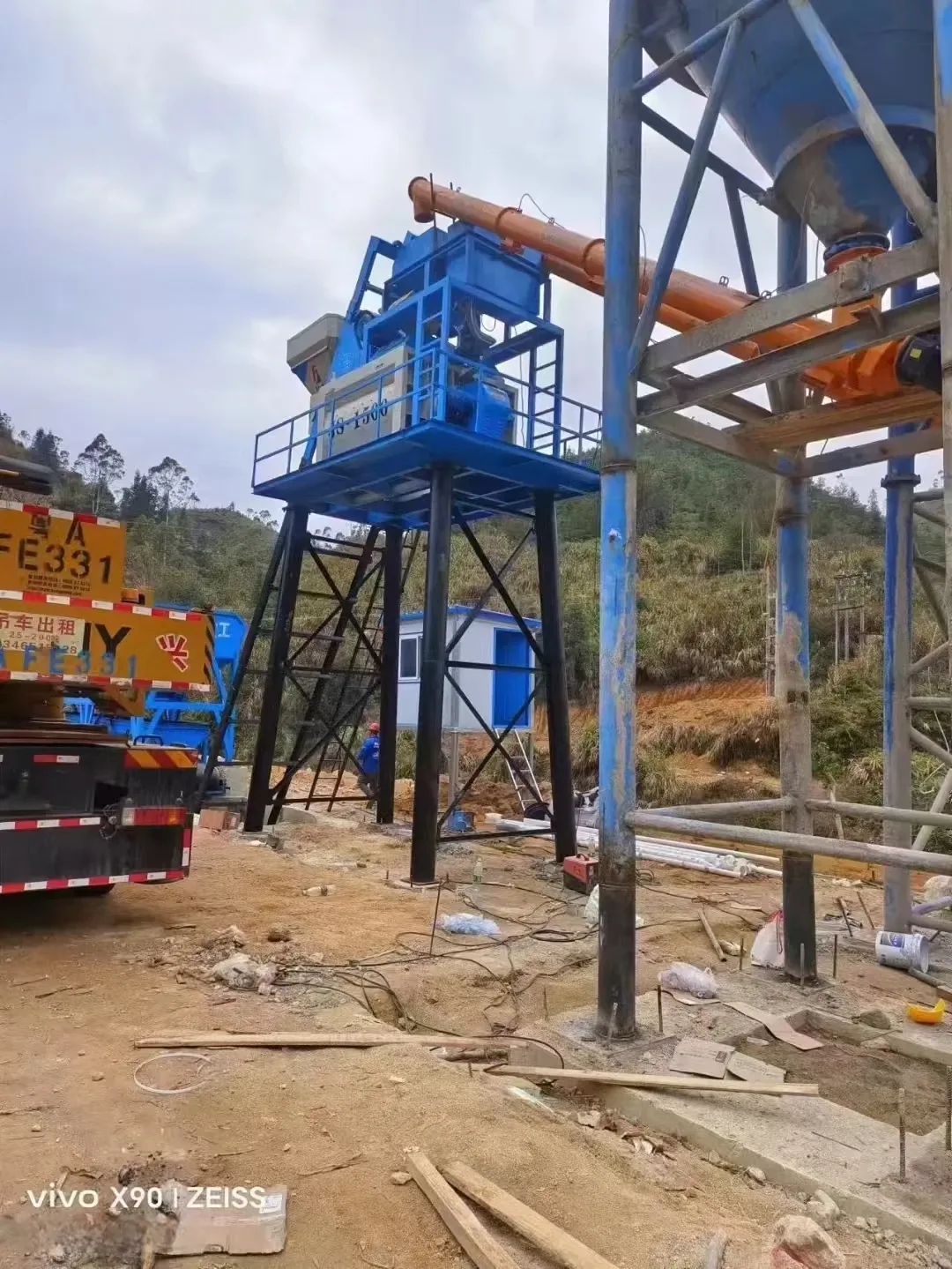
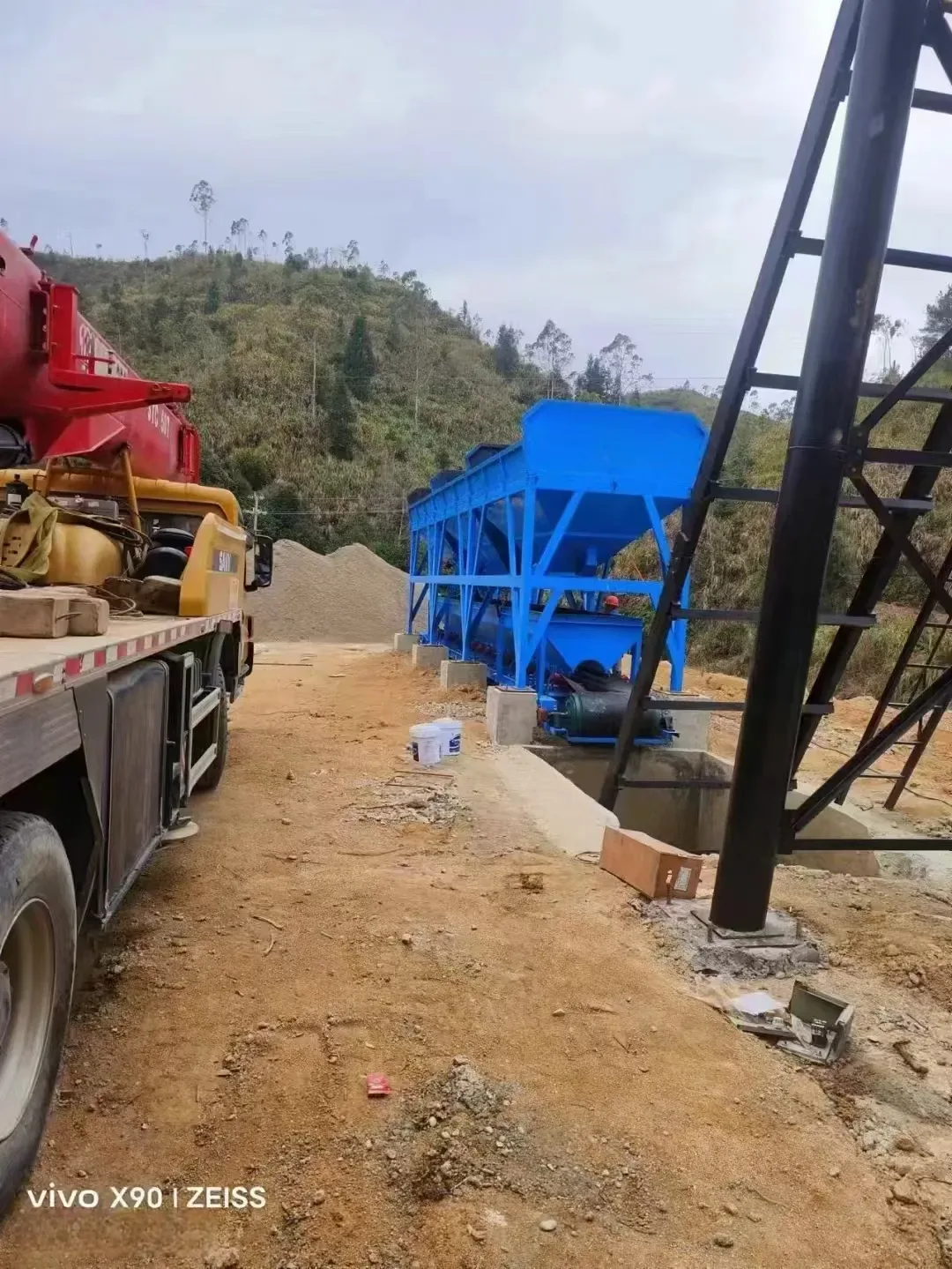
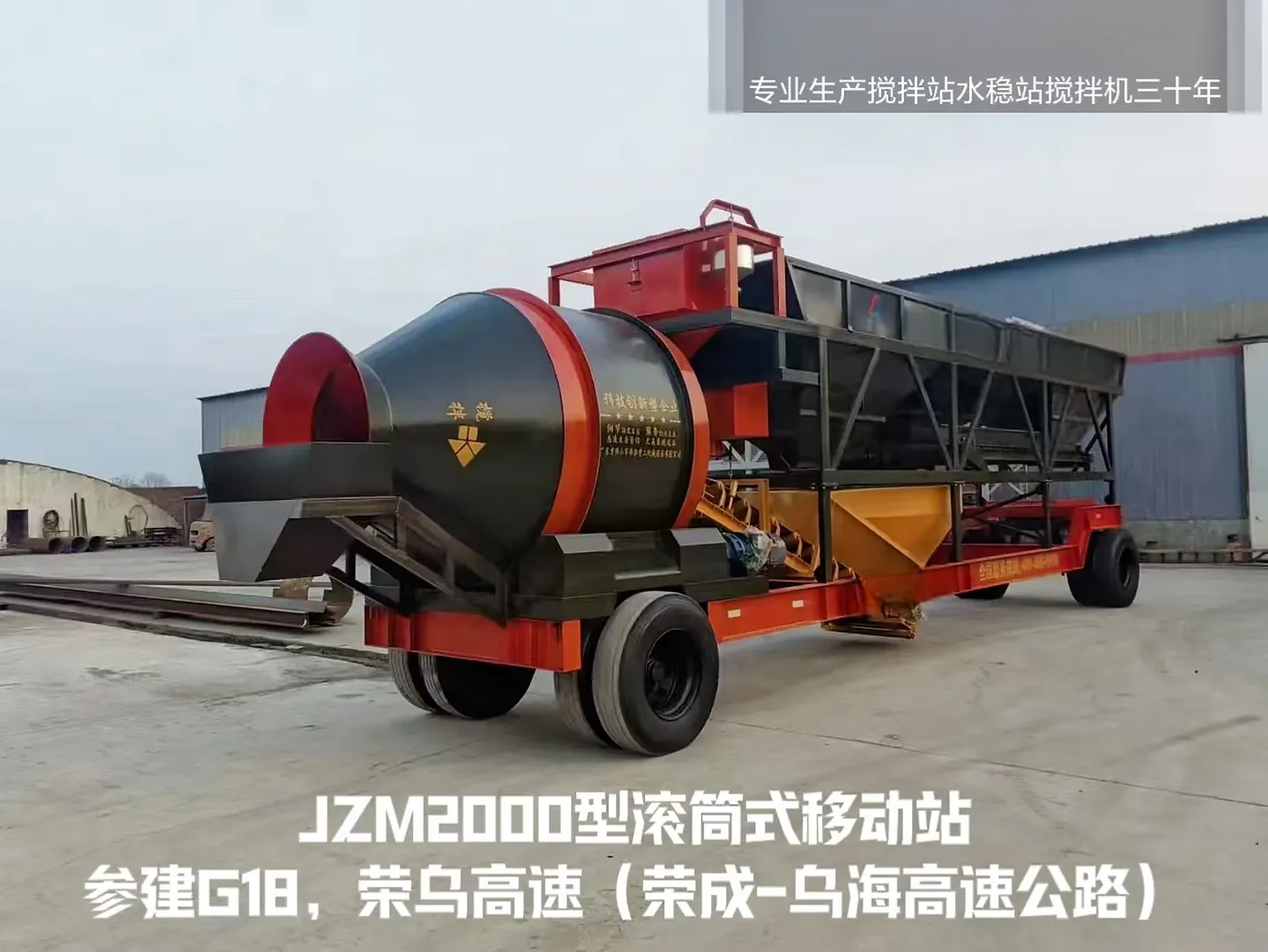
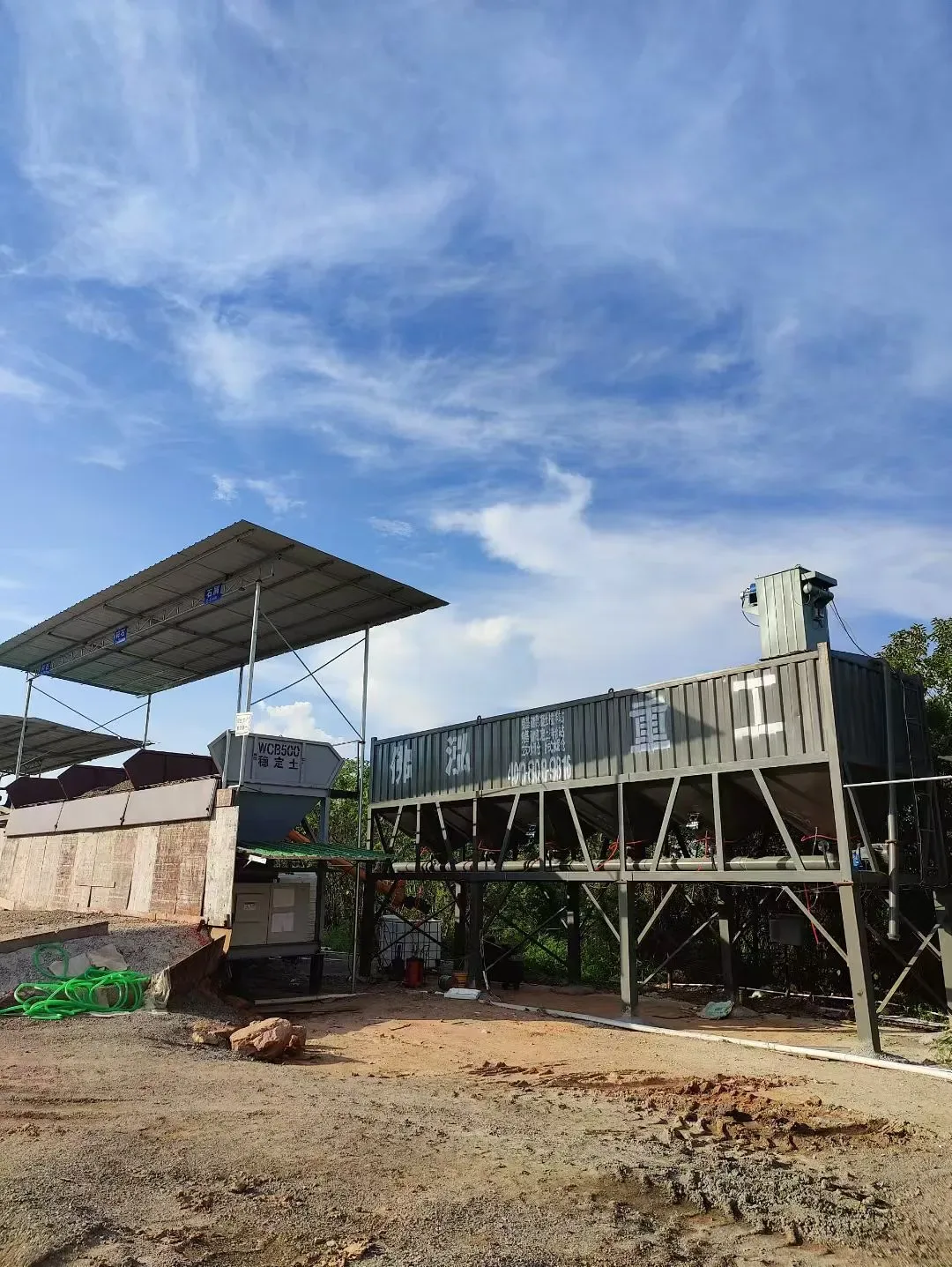
REAL EQUIPMENT / PROJECT PHOTOS
Explore equipment layouts, components and installation details. Request the specifications and supply list for the configuration you need.
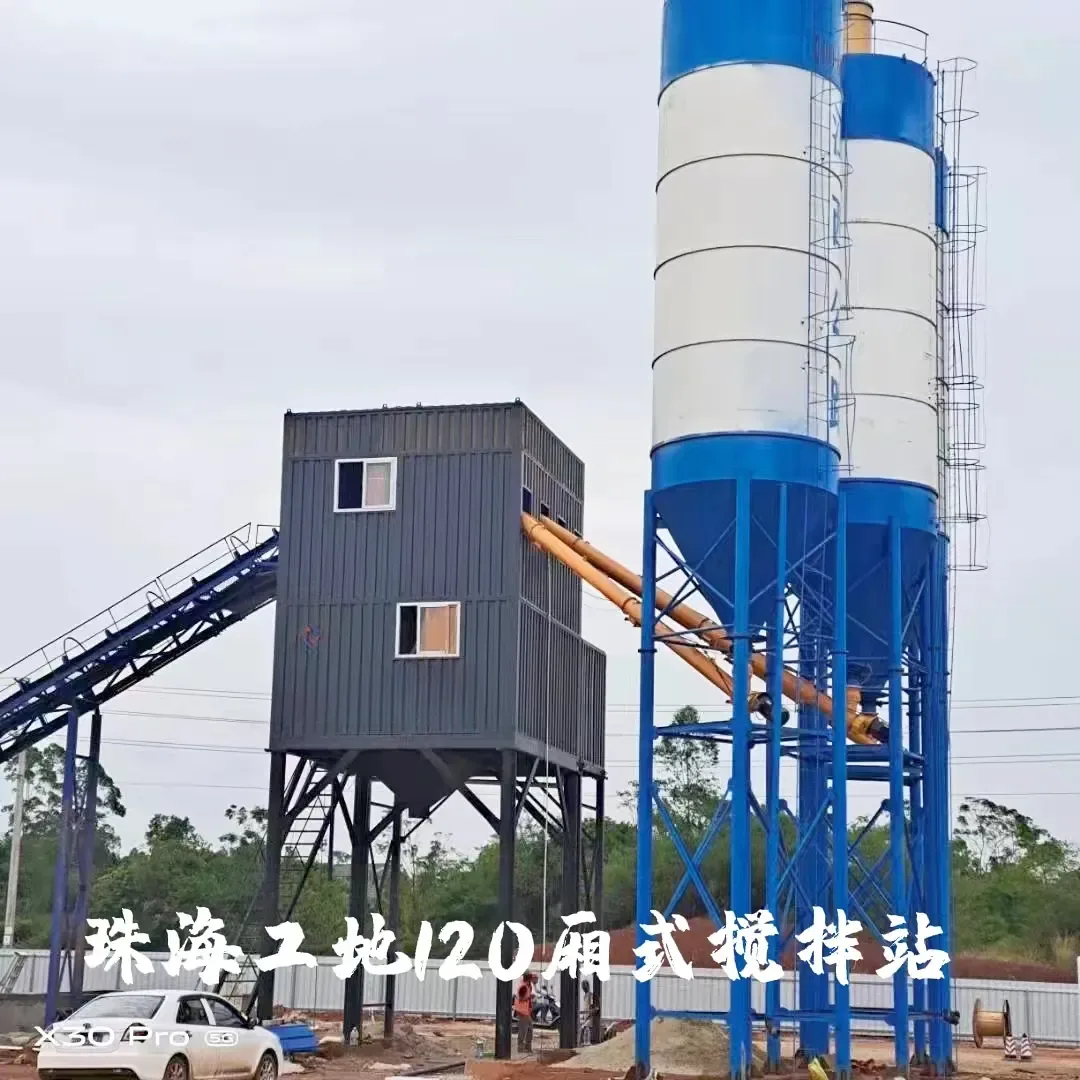
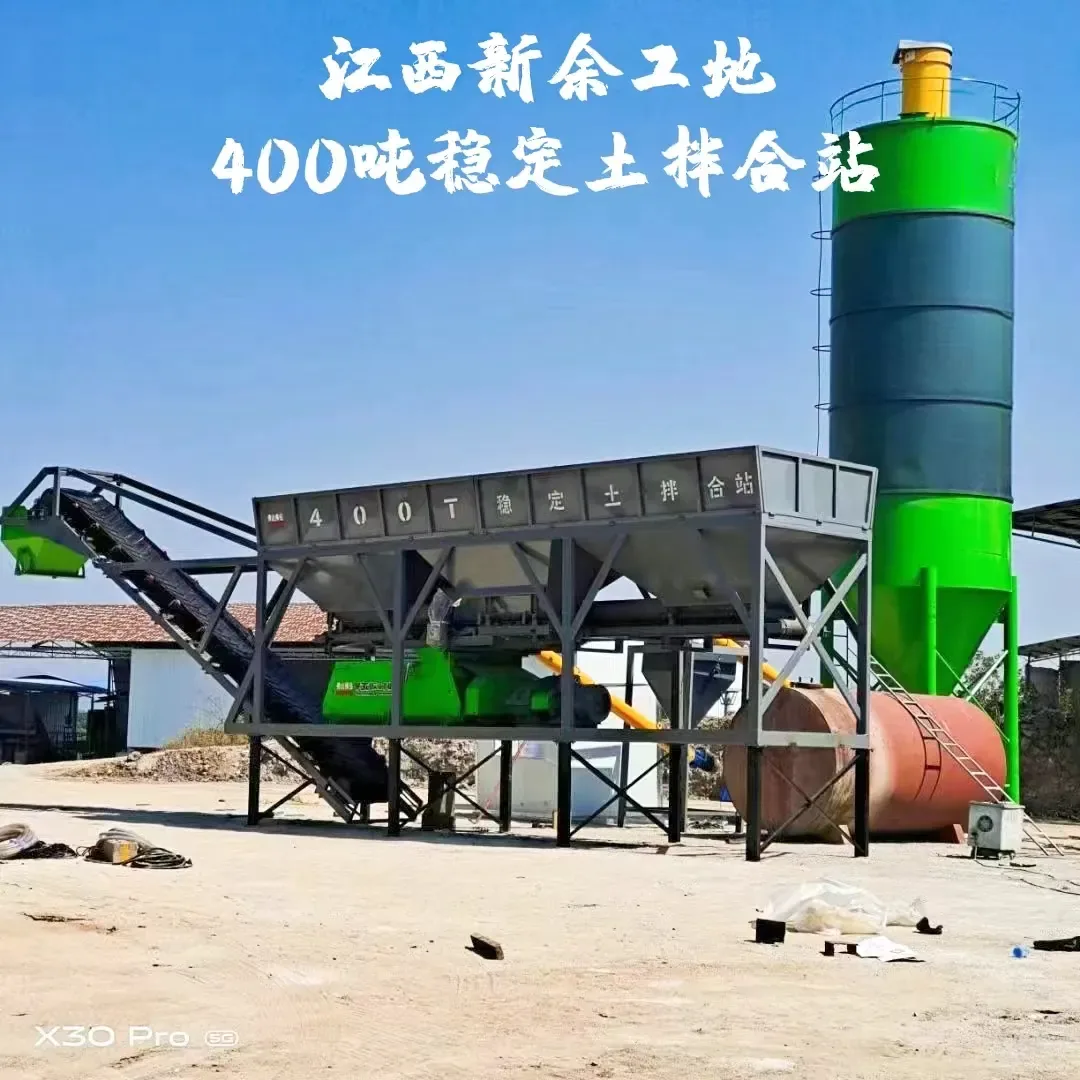
ON-SITE PLANT SOLUTIONS
Select the entry according to scale, production line quantity, transportation and installation, and on-site enclosure requirements.
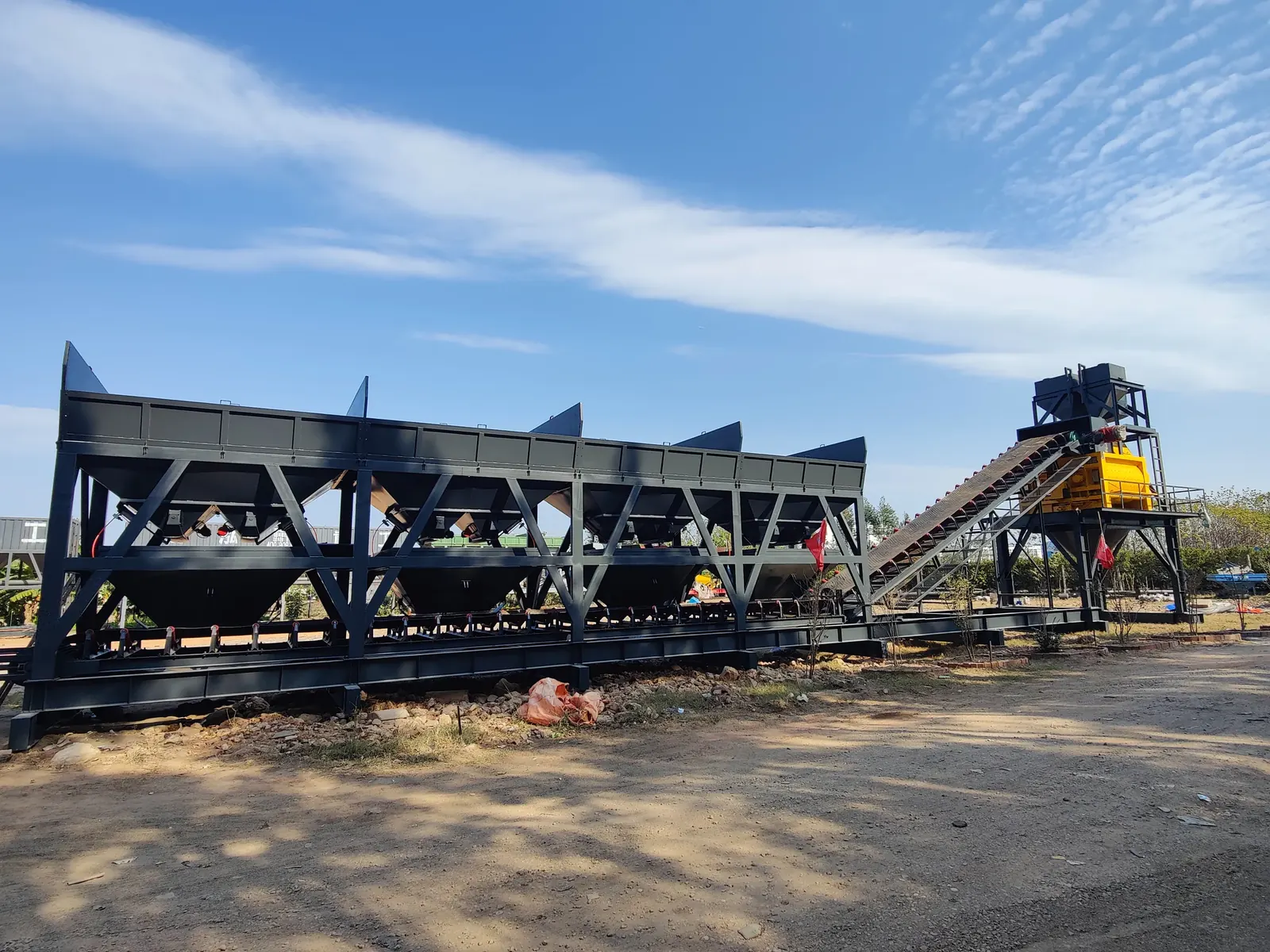
TRANSPORT & INSTALLATION
The equipment is organized and shipped by modules and installed on site. The existing series entries include HZS50, 60, 75, 90, 120, and 2–5 bin feed combinations can be selected according to the type of aggregate.
View modular series ↗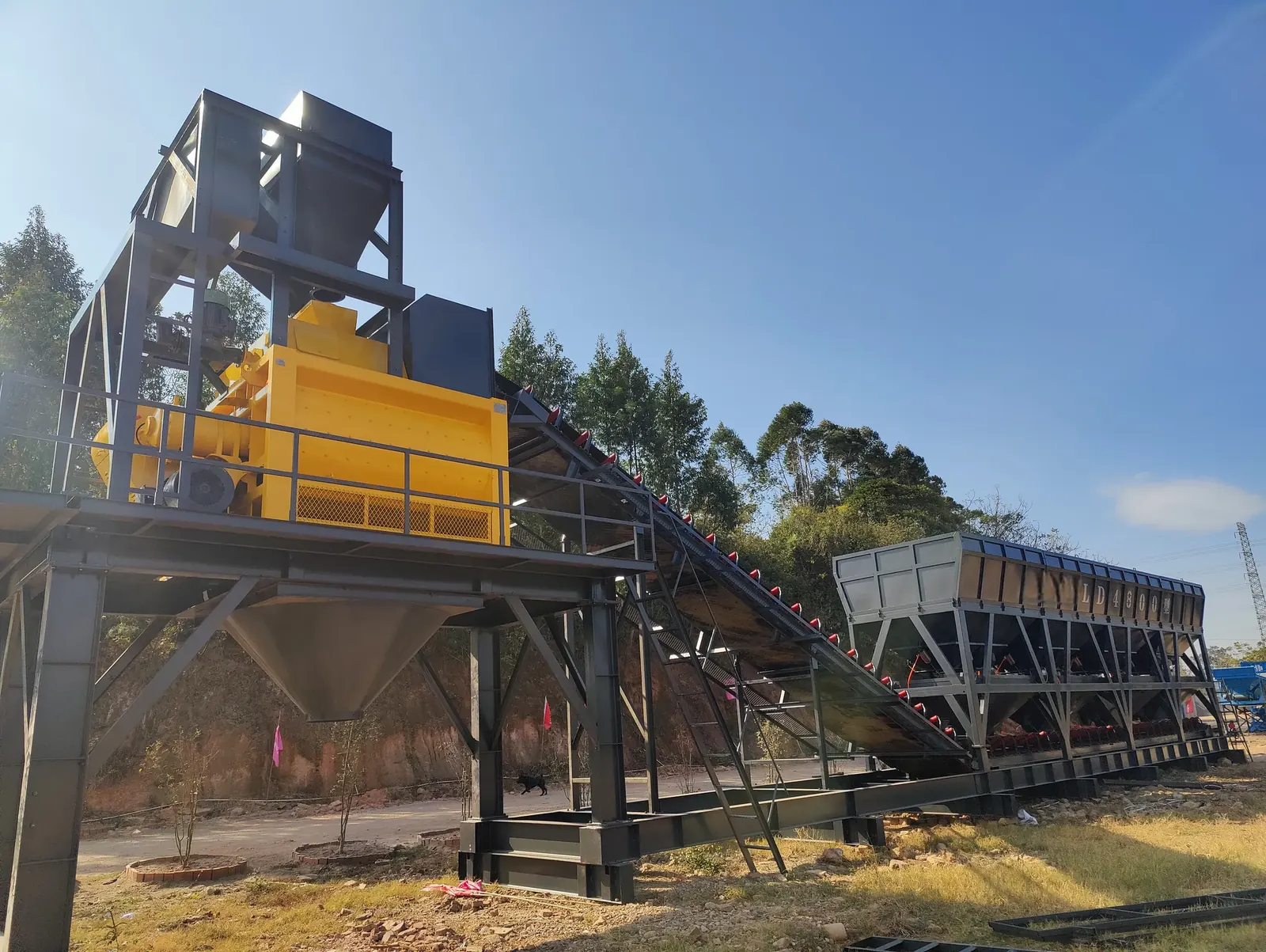
120 m³/h CLASS
The reference configuration uses JS2000 twin-shaft main mixer, nominal output 2000 L / batch, main mixer mixing power 2 × 37 kW, discharge height 4.2 m.
View HZS120 parameters ↗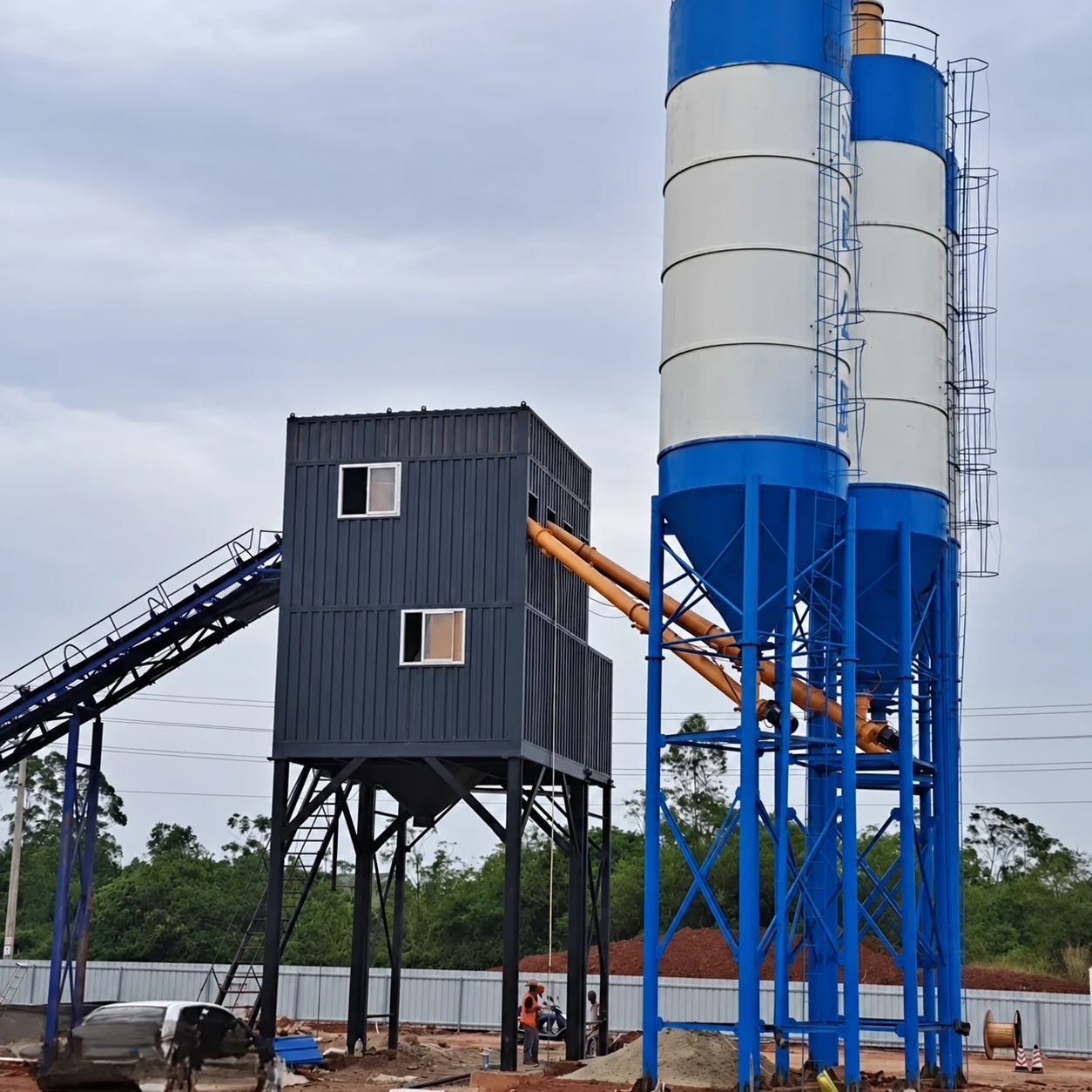
180 m³/h CLASS
The reference configuration uses JS3000 twin-shaft main mixer, nominal output 3000 L / batch, main mixer mixing power 2 × 55 kW, 4 sets of aggregates, discharge height 4.2 m.
View parameters of HZS180 ↗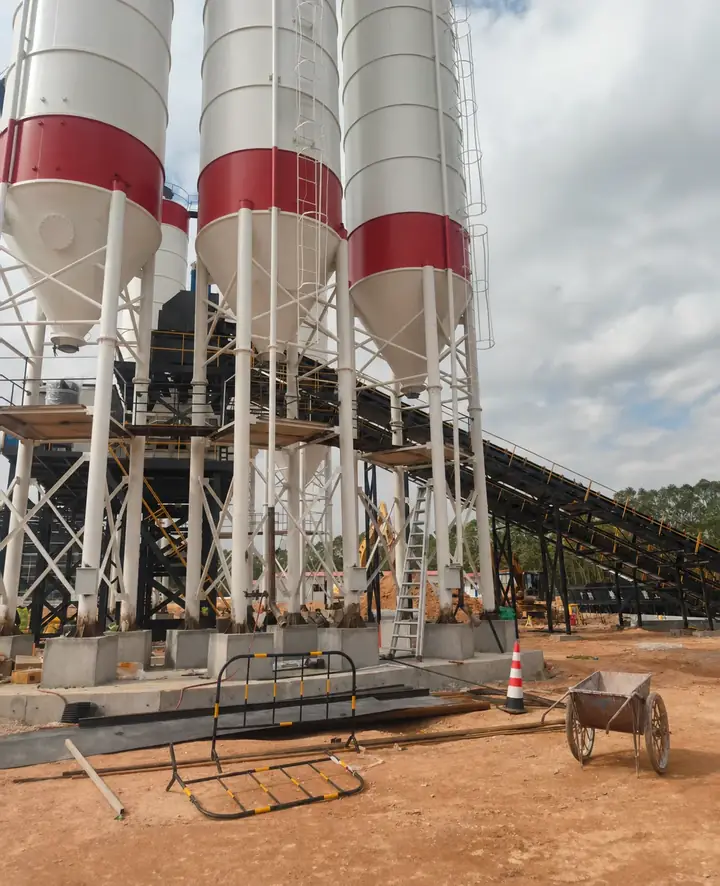
MULTI-LINE PRODUCTION
Two sets of HZS systems in parallel can support branch line production, scheduling of different construction tasks, and maintenance arrangements. The models and shared accessories of the two lines need to be determined according to the pouring plan.
View twin-line plant configuration ↗PROJECT SELECTION MATRIX
The same project may involve capacity, site transfer, enclosure, and multi-line production requirements; key conditions should be combined for judgment.
| Engineering Conditions | Reference Equipment | Configuration Conditions | enquiry Entry |
|---|---|---|---|
| Split Shipping and On-site Modular Installation | Modular / foundation-free HZS series | Transport units, site load-bearing, hoisting, installation, and subsequent relocation conditions | Modular station enquiry ↗ |
| 120 m³/h level reference | HZS120 · JS2000 · 2000 L / batch | Peak pouring, circulation, continuous feeding and receiving methods | HZS120 enquiry ↗ |
| 180 m³/h level reference | HZS180 · JS3000 · 3000 L / batch | Four sets of aggregates, powder material inventory, total electricity use, and yard transport organization | HZS180 enquiry ↗ |
| Two-line production or phased construction | twin-line concrete batching plant | Two-line tasks, shared systems, maintenance, and scheduling at different construction sites | twin-line plant enquiry ↗ |
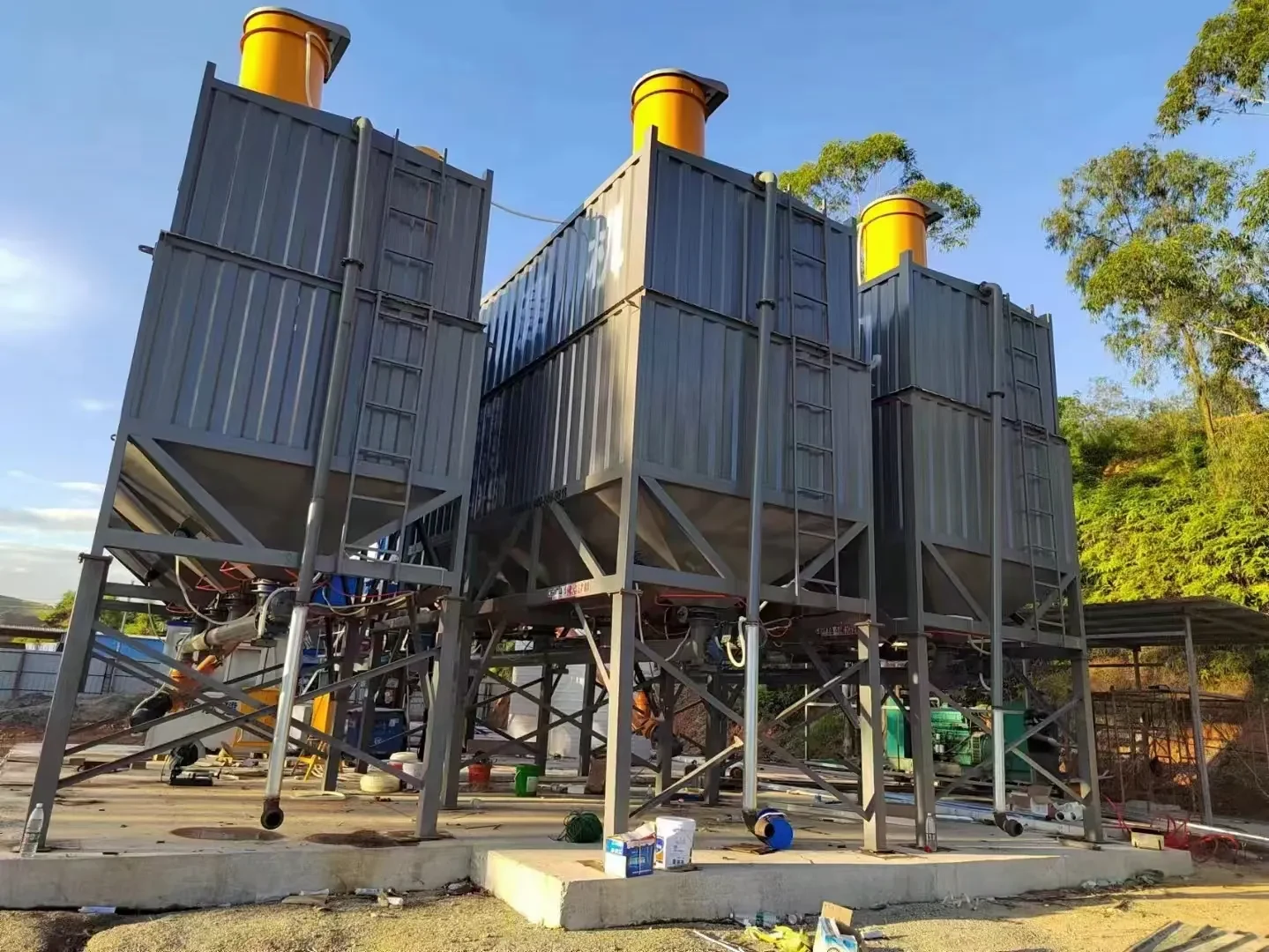
| Dust, noise, rain and snow, or enclosure requirements | Box-type packaging HZS series | Local requirements, ventilation, dust removal, maintenance, and safety configurations | Enclosed Plant Enquiry ↗ |
The catalog theoretical capacity is used for model comparison, and on-site output is formed collectively by casting conditions, material supply, mixing cycles, unloading, and transportation coordination.
SITE & DELIVERY
On-site self-built stations can enhance the autonomy of construction material supply and planning coordination. Equipment utilization, raw materials, personnel, transportation, permits, and on-site management together constitute the project's economic conditions.
ON-SITE PLANT FAQ
Answer key questions in project output, modular installation, site, double line, and quotation information.
Total volume, construction period, shifts, and maximum continuous pouring tasks can be converted into peak hourly demand. The equipment plan also includes aggregate and powder supply, formula switching, material reception, and transportation from the station area to the pouring points.
Modular structures facilitate disassembly, shipment, and reassembly installation, but whether they are suitable for relocation also depends on the disassembly and assembly plan, transportation dimensions, lifting conditions, electrical and pipeline connections, as well as the load-bearing and layout conditions of the next site.
The catalogs of the two are 120 m³/h and 180 m³/h, respectively, and main mixer refers to JS2000 and JS3000. Project peak, single batch requirements, raw material supply, material transportation, electricity, and construction cycle together determine the applicable model.
When a project needs to serve different construction tasks simultaneously, schedule different formulations, or incorporate maintenance into a continuous feeding plan, the twin-line scheme can be compared. Whether the two lines share storage, metering, and control system should be confirmed during the design phase.
It is recommended to provide the project type and location, total volume, construction period, daily output and peak demand, formulas and raw materials, site dimensions, voltage and frequency, water supply, road hoisting, destination port or construction site, as well as installation, commissioning, and spare parts scope.
RELATED EQUIPMENT
ON-SITE PLANT QUOTATION
Send the project type, duration, total volume, peak supply, formula, raw materials, site, voltage and frequency, destination, and relocation plan. Based on this, we will check HZS120, HZS180, twin-line, modular, or packaging solutions.