
Six-level model range
Compare PLD800–PLD4800 models, then select a configuration matched to your mixer and production requirements.
- PLD800 / 1200 / 1600
- PLD2400 / 3200 / 4800
AGGREGATE BATCHERS / Aggregate storage and measurement
PLD800, PLD1200, PLD1600, PLD2400, PLD3200 and PLD4800 aggregate batchers are available with 2, 3 or 4 bins and cumulative or independent weighing. Order a batcher separately or with a concrete plant.

01 / PRODUCT ANSWER
PLD batchers store and weigh aggregates before they enter the mixer. Choose the model, bin count and weighing method for your aggregates, mixer size and production rate.
Compare PLD800–PLD4800 models, then select a configuration matched to your mixer and production requirements.
The number of bins depends on how many aggregates must be stored and weighed separately. List the sand, stone and other aggregates, together with the planned bin count.
Choose cumulative or independent weighing to suit your batching sequence, plant controls and layout.
Coordinate aggregate loading, discharge conveyors, weighing controls and the mixer. For an existing plant, provide connection dimensions and the current layout.
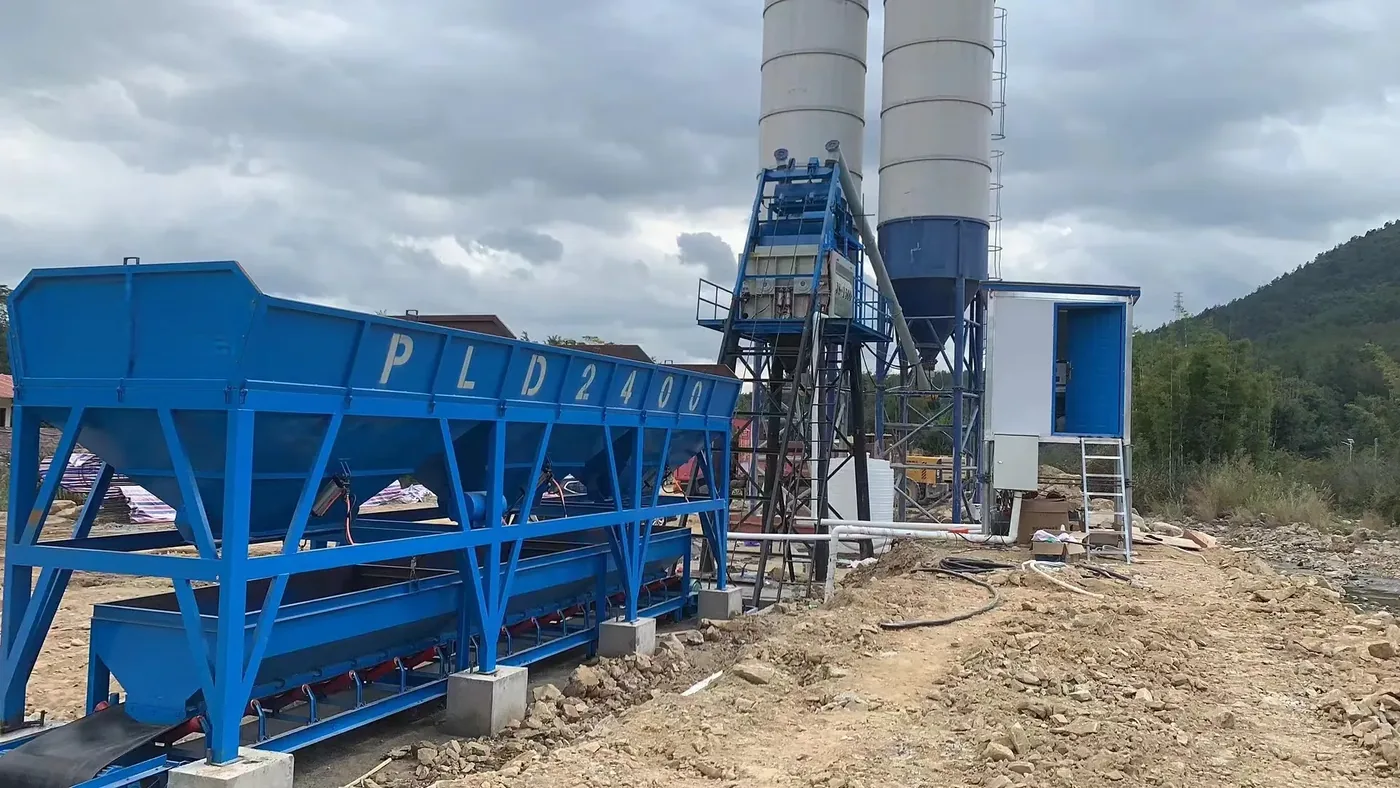
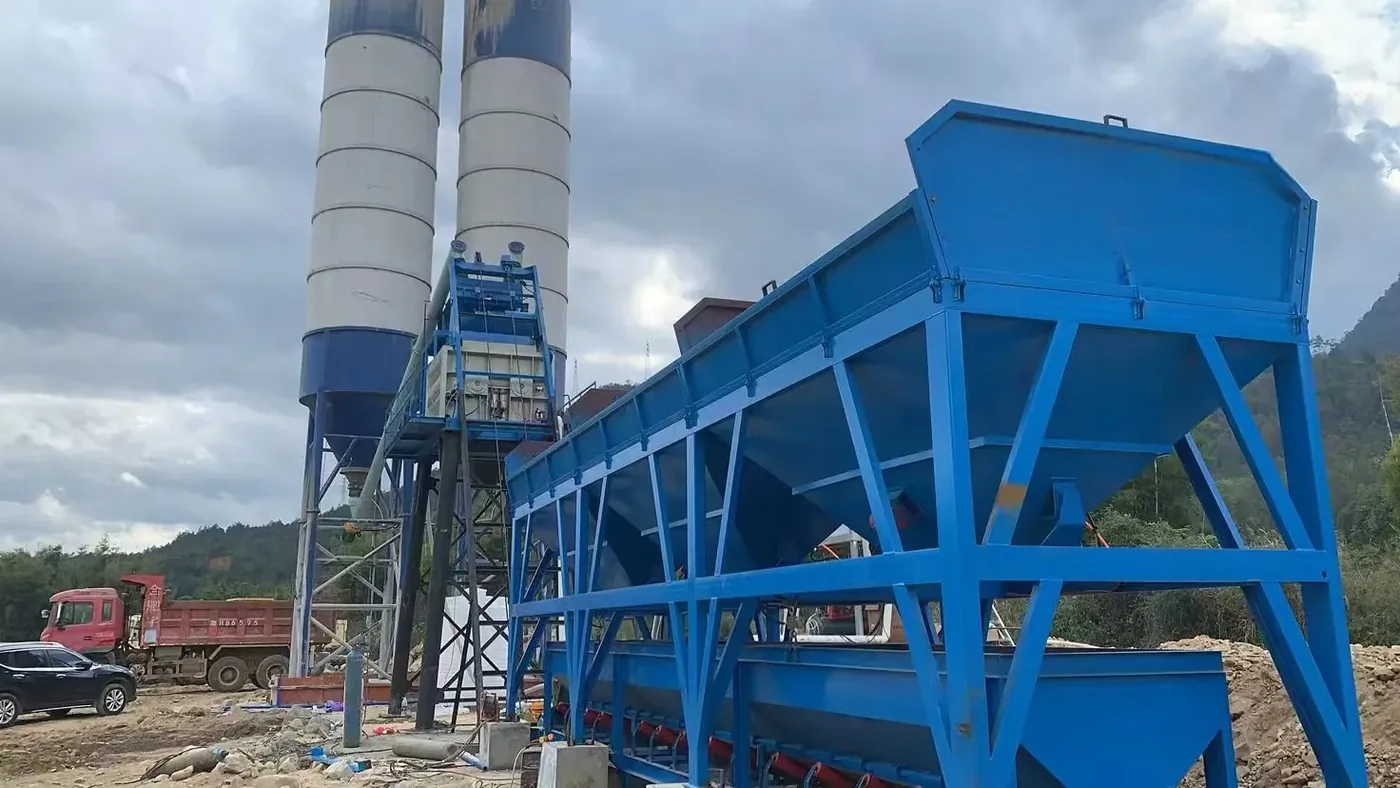
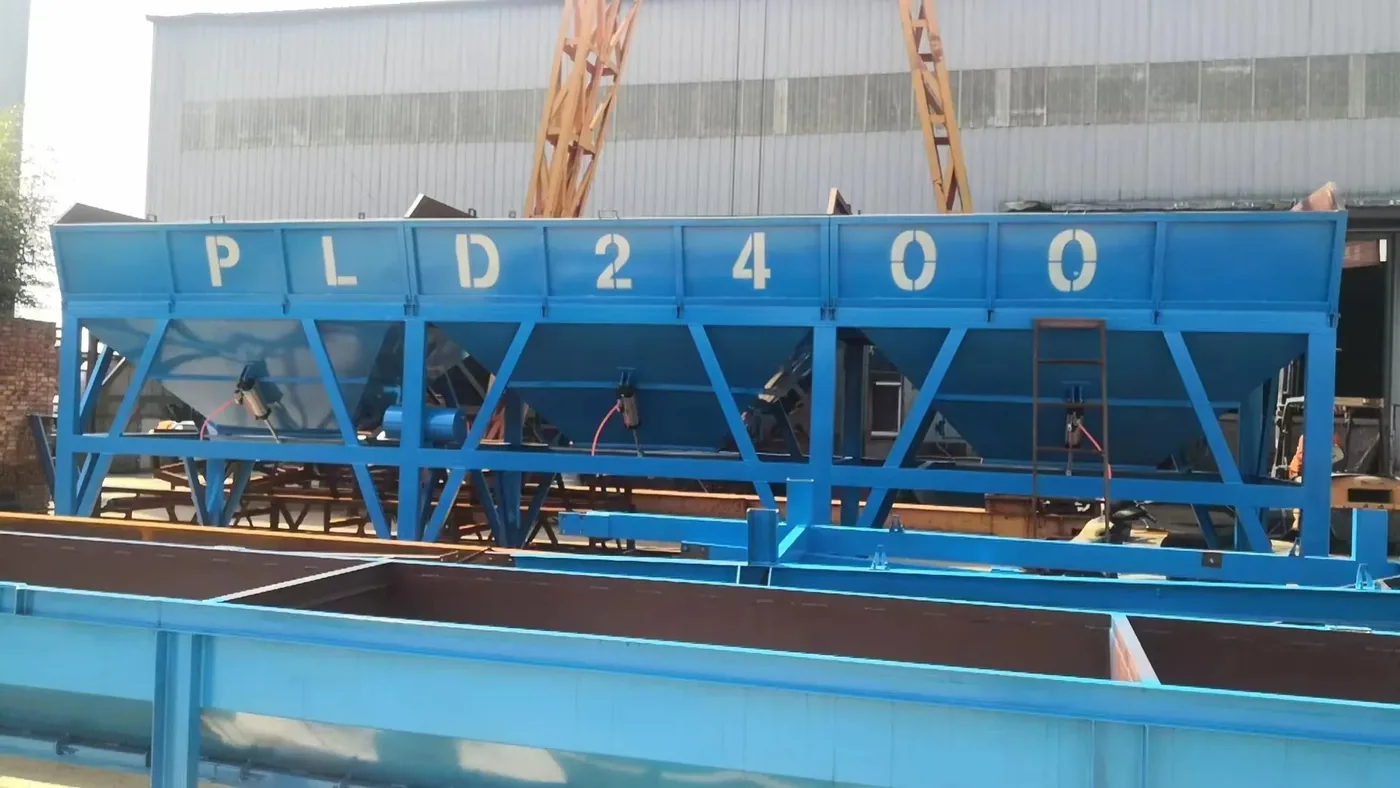
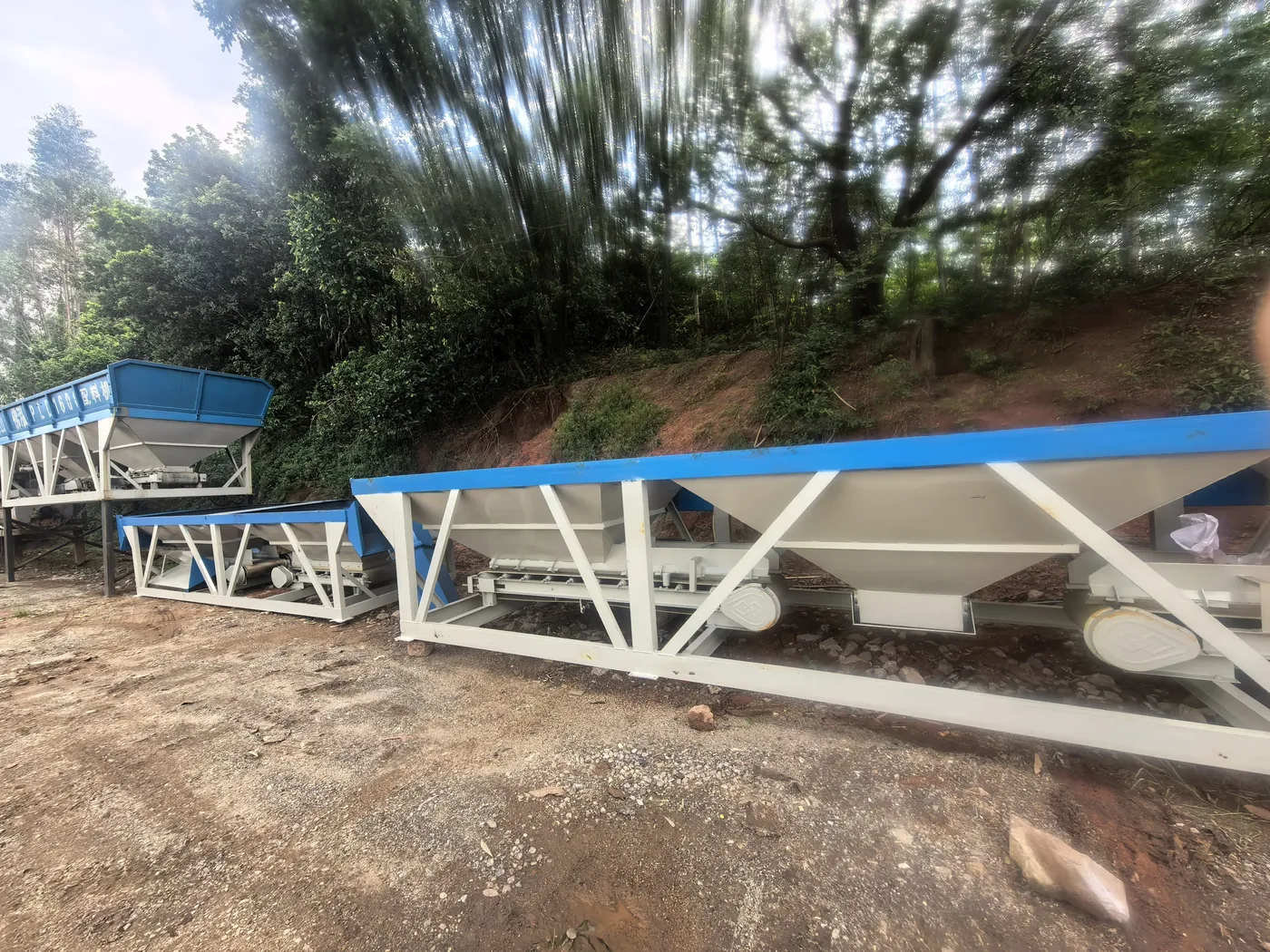
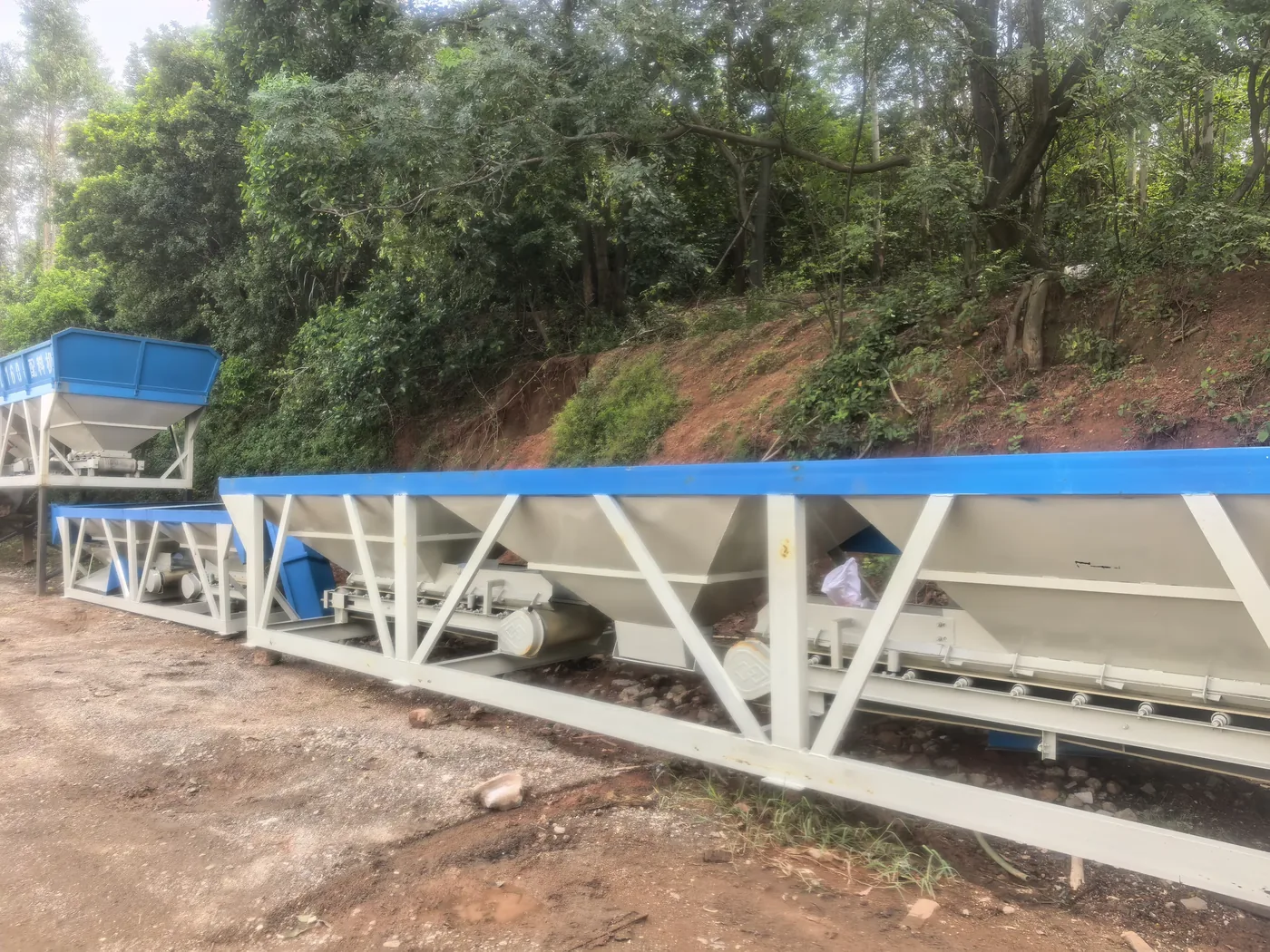
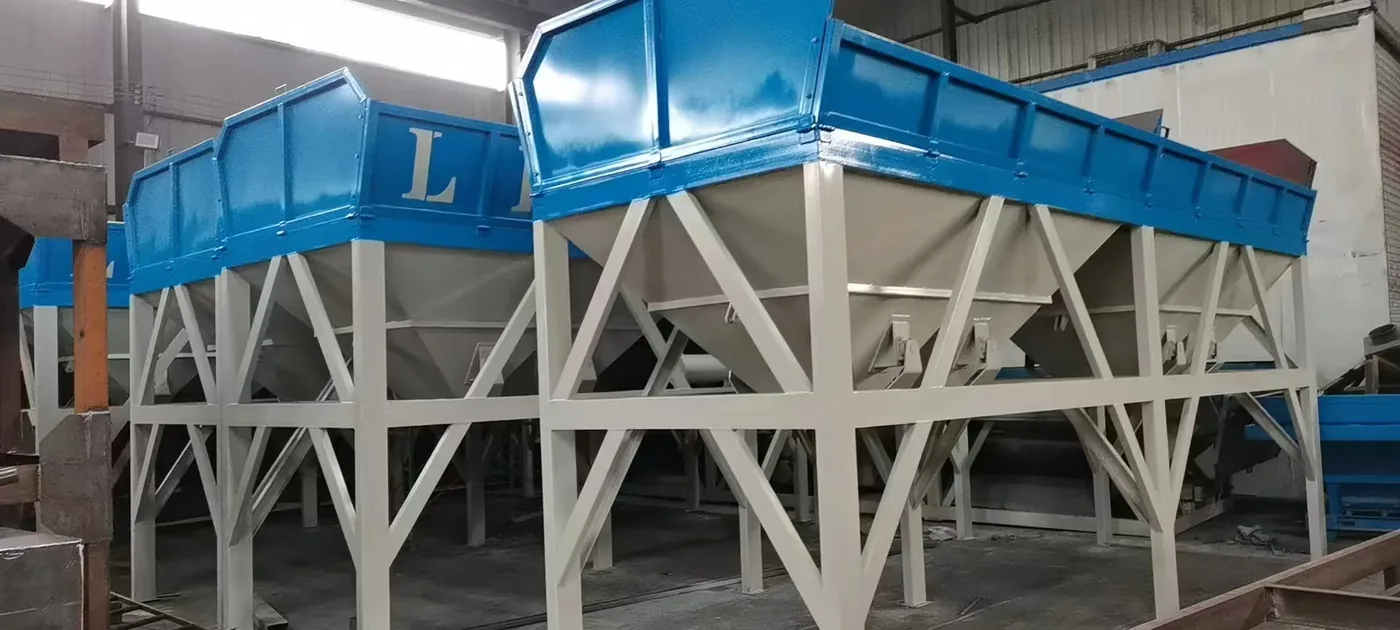
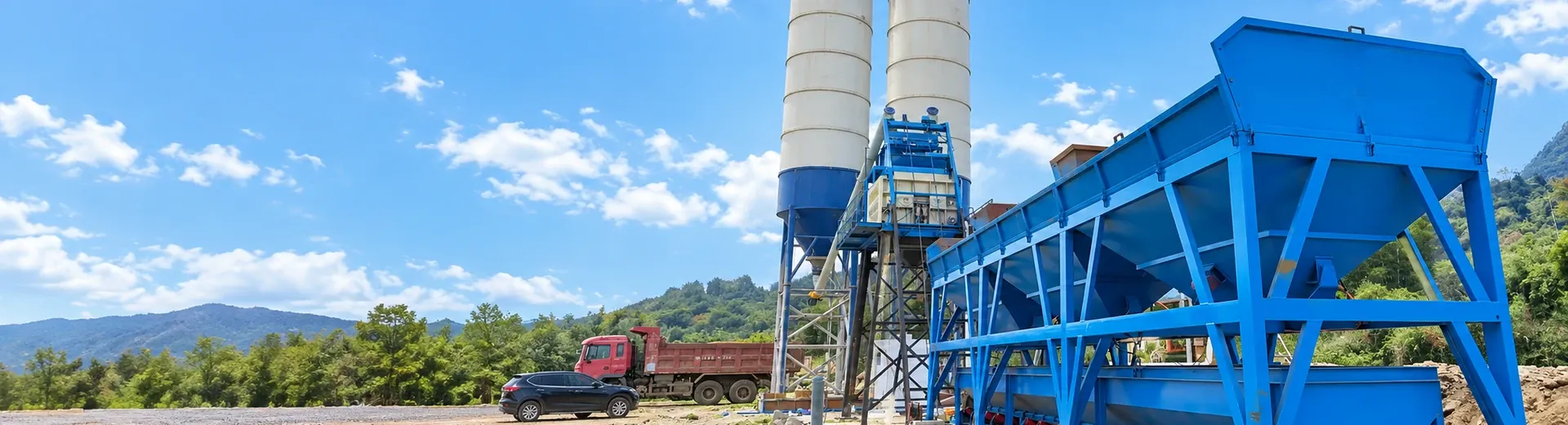
REAL EQUIPMENT / PROJECT PHOTOS
Explore equipment layouts, components and installation details. Request the specifications and supply list for the configuration you need.
02 / MODELS & CONFIGURATION
Specify the PLD model, number of aggregate bins and weighing method together so the quotation matches your required configuration.
PLD MODEL RANGE
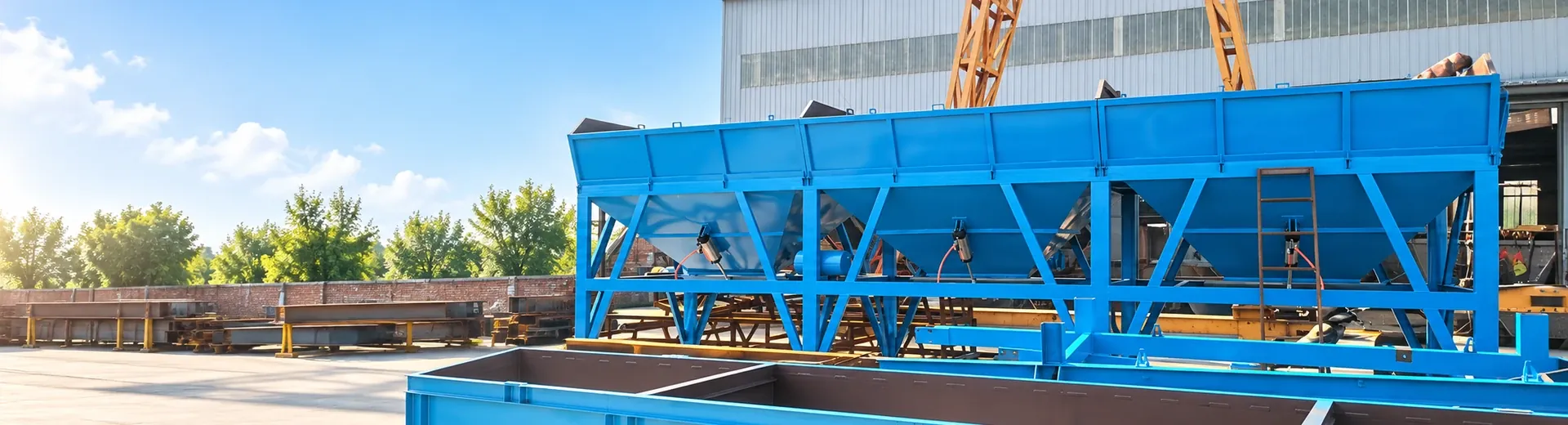
Six model options are available. Match the batcher to your mixer, aggregate types and plant output when requesting a quote.
Submit PLD model request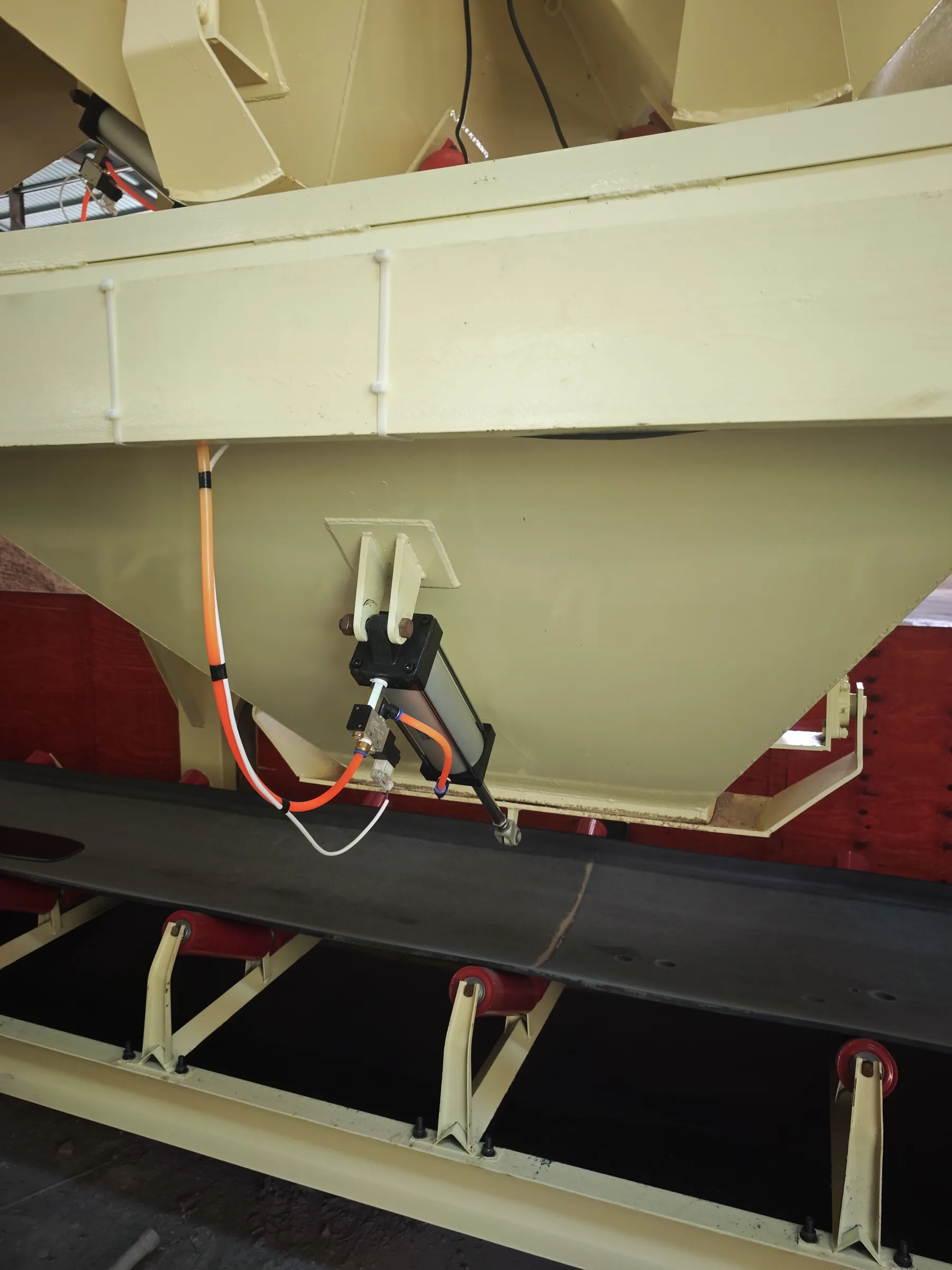
BATCHING CONNECTION
The complete machine configuration requires confirmation of the number of bins, metering form, aggregate replenishment method, and the connection conditions of the discharge end with conveying system.
View Site Preparation Checklist03 / SELECTION MATRIX
Aggregate types and the production process determine the model range. Use the following details to request a quote.
| Selection item | Optional Range | Based on what to choose | To be provided during quotation |
|---|---|---|---|
| Equipment Model | PLD800 / 1200 / 1600 / 2400 / 3200 / 4800 | Supporting main mixer, production requirements, and system layout | Proposed purchase model; if not determined, indicate recommendation preferred |
| aggregate bin Quantity | 2 Bins / 3 Bins / 4 Bins | Types of aggregates that need to be stored and measured separately | Each aggregate's name, particle size, and silo count requirements |
| Measurement Method | Cumulative measurement / independent measurement | Mixing process, control scheme, and equipment layout | Expected metering method and existing control conditions |
| Supply Method | Single machine or batching plant supporting | New construction, renovation, replacement, or expansion | Nature of the project and required supporting equipment |
| System Interface | Confirm by Project | Feeding, discharging conveyor, main mixer and electrical control connection | Equipment dimensions, interface diagrams, site photos, and electrical conditions |
Request the bin capacities, weighing specifications, connection dimensions and included equipment for your selected PLD configuration.
04 / PROCUREMENT INPUTS
Send the aggregate types, required bin count, mixer model and site dimensions. We can then specify the batcher, weighing method and equipment connections.
BUYER FAQ
Bin count, weighing method and system connections describe the actual requirement more clearly than a model name alone.
The matching of main mixer, target output, aggregate types, number of silos, metering methods, and site conditions jointly determine the PLD model and complete configuration.
The number of bins depends on the types of aggregates that need to be stored and measured separately and also considers production formulas and subsequent product plans.
Cumulative weighing weighs aggregates sequentially in a shared weighing hopper. Independent weighing uses separate weighing units for different aggregates. Choose the arrangement for your batching cycle, controls and site layout.
Plant output depends on the full production cycle, including batching, conveying, weighing, mixing, discharge and truck availability. Select the batcher and mixer as a coordinated system.
Communication can be based on individual machine requirements. If connecting to an existing batching plant, please provide the original equipment model, interface dimensions, installation space, electrical conditions, and site photos to determine whether the connected equipment is included in the supply.
RELATED EQUIPMENT
06 / GET A QUOTATION
Send the proposed purchase model, aggregate type, number of bins, measurement method, supporting main mixer and project destination. We will use this to verify the equipment configuration, interface boundaries, and supply list.