
PLANT PLANNING CENTER
Batching Plant Site Planning
Learn about Concrete Batching Plant Site Planning: compare project requirements, equipment options and purchasing considerations.

BUYER PATHS / Procurement Entrance
Find the Right Equipment
Deliver target output, concrete products, raw materials, sites, and destinations to Chinese factory, forming configurations for station type, feeding, storage, metering, control, and utilities, and then enter complete plant quotation.
large stationary concrete batching plant
Stationary plants serve long-term ready-mix supply and major construction projects. Choose capacity, storage and feeding equipment around daily concrete demand, peak dispatch, mix designs, site space and power supply.
View page ↗02batching plant Capacity options
Distinguish theoretical output, batch capacity, and actual production rhythm.
View page ↗03How much for a set of concrete batching plant
Batching plant prices depend on capacity, mixer size, aggregate bins, feeding method, silos, screw conveyors and controls. Steelwork, enclosures, dust collection, spare parts and delivery also affect the total. Compare HZS120, HZS180 and twin-line quotes using the same supply scope.
View page ↗04How to choose between wet and dry concrete batching plant
Wet centralized batching plant is mixed on-site main mixer; the dry metering scheme mixes materials at other stages after on-site material metering. Before selection, the local process, product requirements, transportation organization, and actual supply range must be confirmed.
View page ↗05How to choose between fixed and mobile batching plant
Fixed and mobile describe the movement and installation characteristics of equipment. Fixed stations are suitable for long-term stable production tasks; mobile solutions emphasize relocation and integrated transport, with foundations, utilities, storage, and road conditions also considered in the mobile solution.
View page ↗06Differences between foundation-free batching plant and mobile station
For devices with no foundation, describe the equipment base and the form of on-site foundation. For mobile devices, describe whether they can be relocated according to the design. In some schemes, the two can overlap, with base load-bearing and anchoring, as well as transport disassembly and reassembly, described separately.
View page ↗07Single vs Twin-Line Plants
The single-line scheme revolves around a set of production line organizations; the twin-line scheme consists of two production units working collaboratively and can be used to allocate formulas, production tasks, or maintenance windows. The total output of the twin-line is determined jointly by the actual configuration of each line, the shared systems, and the operating organization.
View page ↗08Comparison of horizontal and tower batching plant
Horizontal and tower-type schemes reflect the vertical or horizontal organization of the material storage, measurement, and mixing systems. When comparing, consideration should be given to site height, footprint, number of material lifts, maintenance access, construction, and transportation conditions, rather than just appearance.
View page ↗09Belt vs Skip Feeding
Belts and bucket elevators are used to transport measured aggregates to the main mixing building. The choice depends on the target feeding rate, horizontal distance and height difference, site length, enclosure requirements, maintenance space, and the actual available models.
View page ↗10How to choose concrete main mixer
Selection starts from materials, products, batch capacity, planned rhythm, and upstream and downstream interfaces. JS twin-shaft and CLMP planetary are different structural directions; drum and fixed-dipper equipment serve other tasks, and the applicable products, batches, and interfaces will affect the choice.
View page ↗11Aggregate Bins & Storage
Plan aggregate bins around material types, mix designs, hourly use, refill schedules, loader access and site space. Choose enough bins to separate materials, then size each bin and the total storage for your production schedule.
View page ↗12How to plan cement and powder storage
Powder planning is calculated separately based on cement, fly ash, or other confirmed materials. The key fields are material density, effective volume, consumption and replenishment cycle, silo type, dust removal level accessories, and the screw conveyor route to the weighing hopper.
View page ↗13How to configure concrete batching plant weighing system
weighing system separately handles aggregates, powders, water, and additives. When preparing, the batch quantity range, dosage range, feeding method, precision definition, and calibration conditions should be provided, and it should be connected in a cycle with the formula, control logic, and main mixer.
View page ↗14Power, Water & Utilities
Before the batching plant project at quotation, voltage, frequency, phase, available capacity, water supply, water quality, compressed air, drainage, network, and control room conditions should be confirmed. Equipment power and on-site power distribution plans should be based on the final configuration list.
View page ↗15How to plan the general layout of concrete batching plant
The general layout plan needs to simultaneously accommodate incoming materials, aggregate bin, powder supply, the main mixing building, finished product vehicles, the control room, maintenance, and space for future expansion. A reasonable arrangement can reduce flow conflicts and meet equipment interface and local requirements.
View page ↗16Climate & Plant Design
Temperature, humidity, altitude, wind, rain and snow, sandstorms, and corrosive environments can affect material storage, equipment enclosure, electrical systems, lubrication, water supply and drainage, and foundation data. The project should provide local extreme conditions and respond to each item according to the specific configuration.
View page ↗17How to control concrete batching plant dust and noise
Dust is mainly likely to appear during powder replenishment, aggregate loading and unloading, transfer, measurement, and mixing; noise is related to main mixer, fans, conveyors, and vehicles. The plan should configure each item according to visible generation points, local requirements, and the actual available equipment.
View page ↗18Site Preparation Checklist
Check foundation, vehicle circulation, electricity, water supply and installation space.
View page ↗REAL EQUIPMENT / PROJECT PHOTOS
Equipment Layouts and Details
Explore equipment layouts, components and installation details. Request the specifications and supply list for the configuration you need.
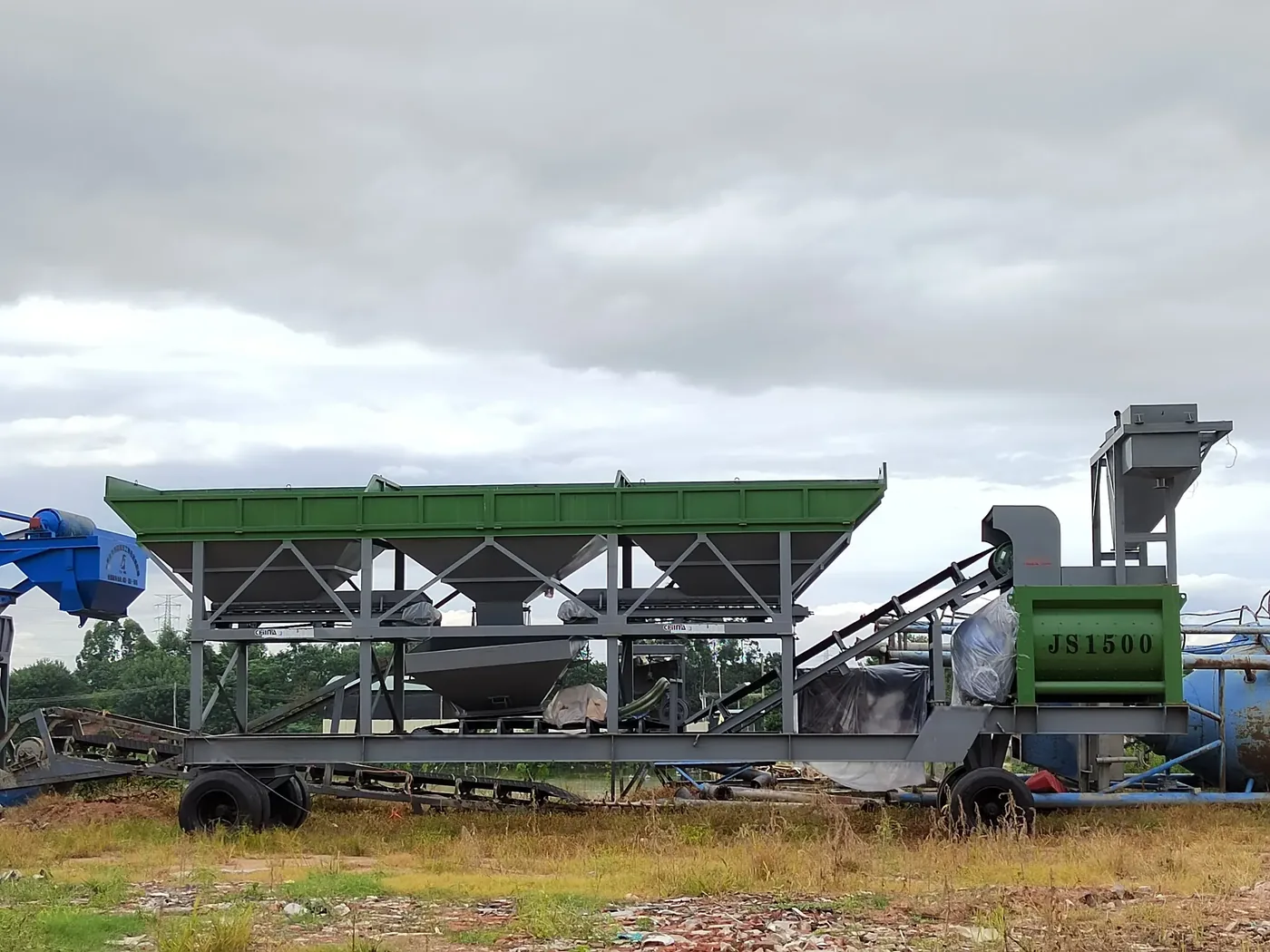
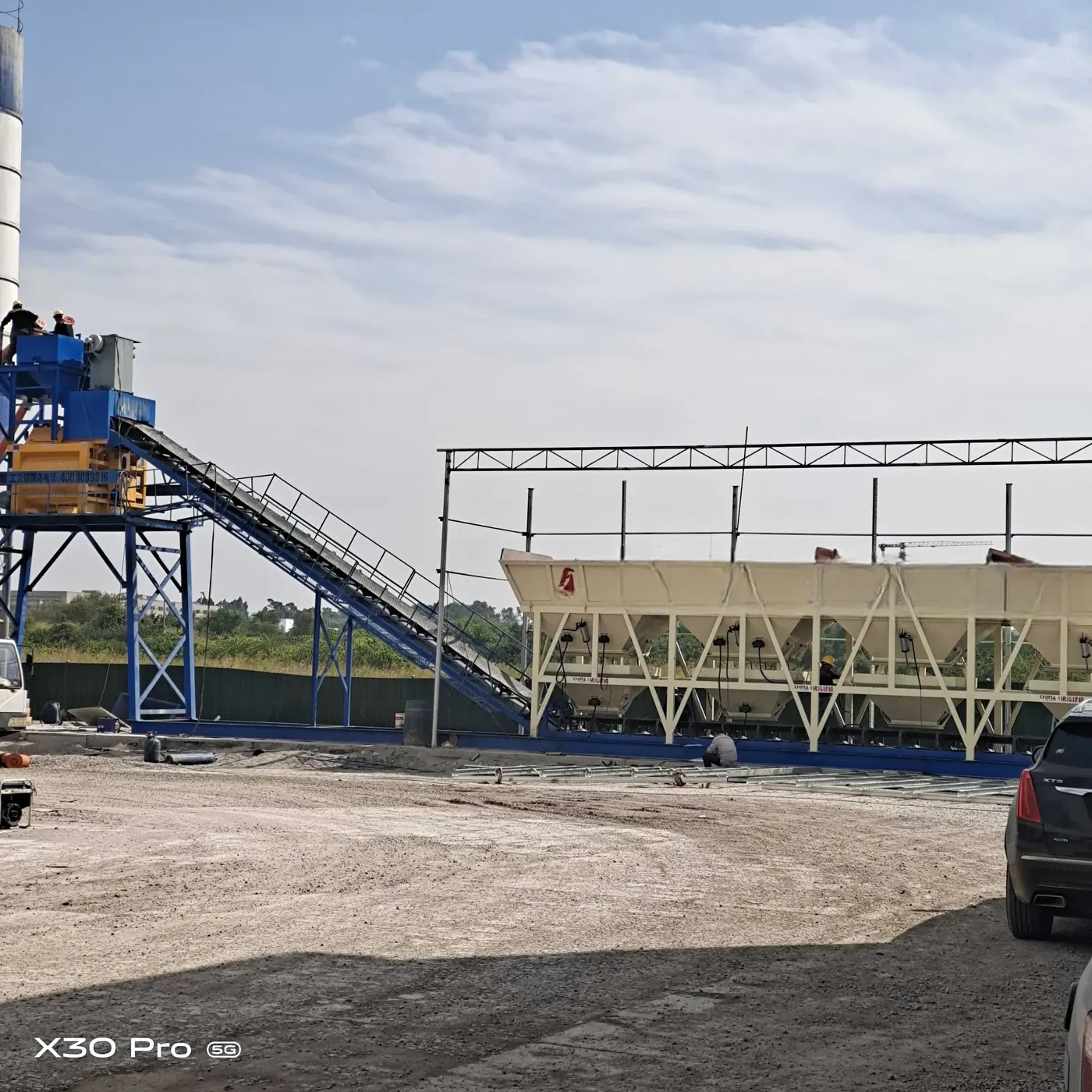
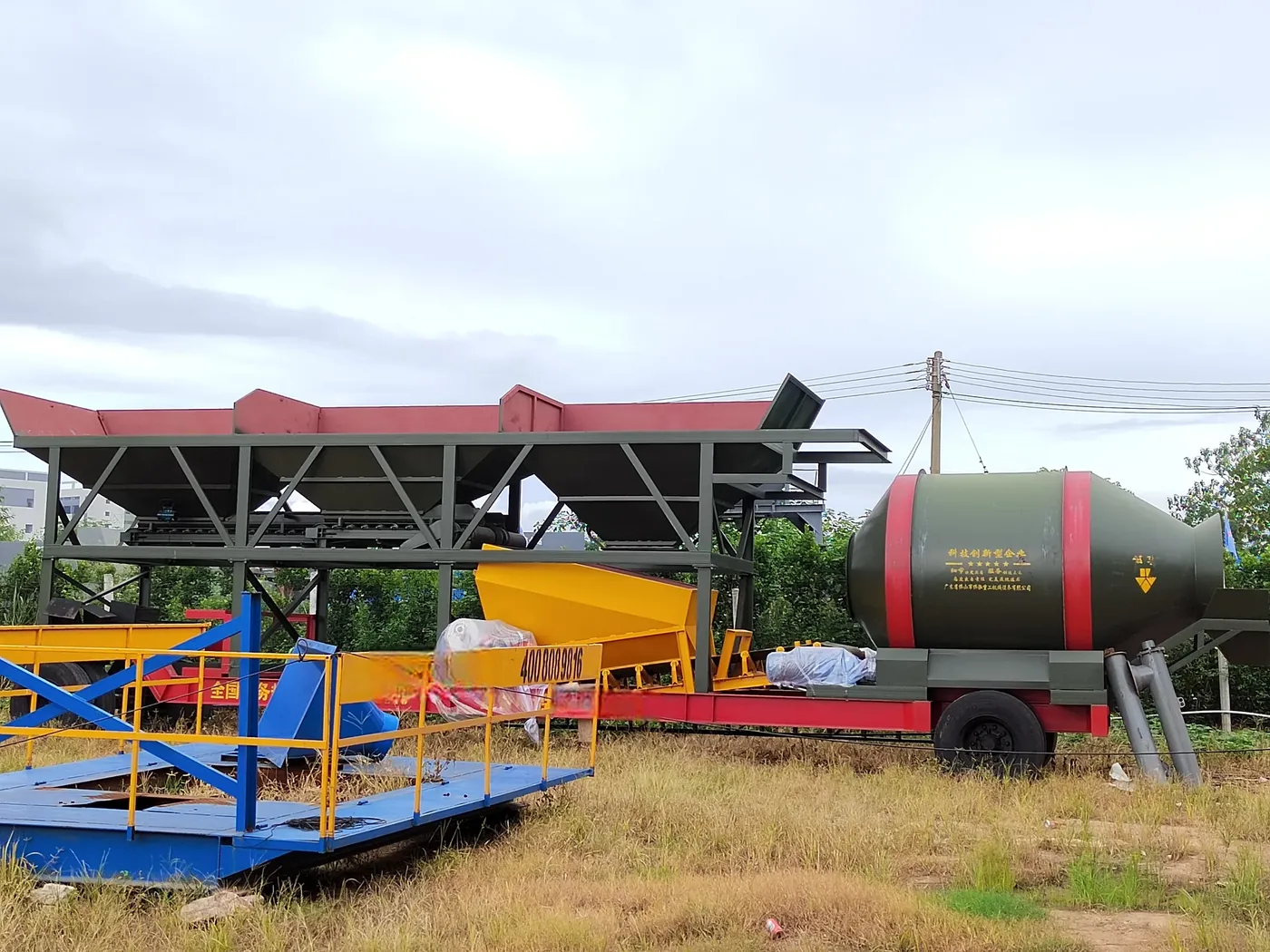
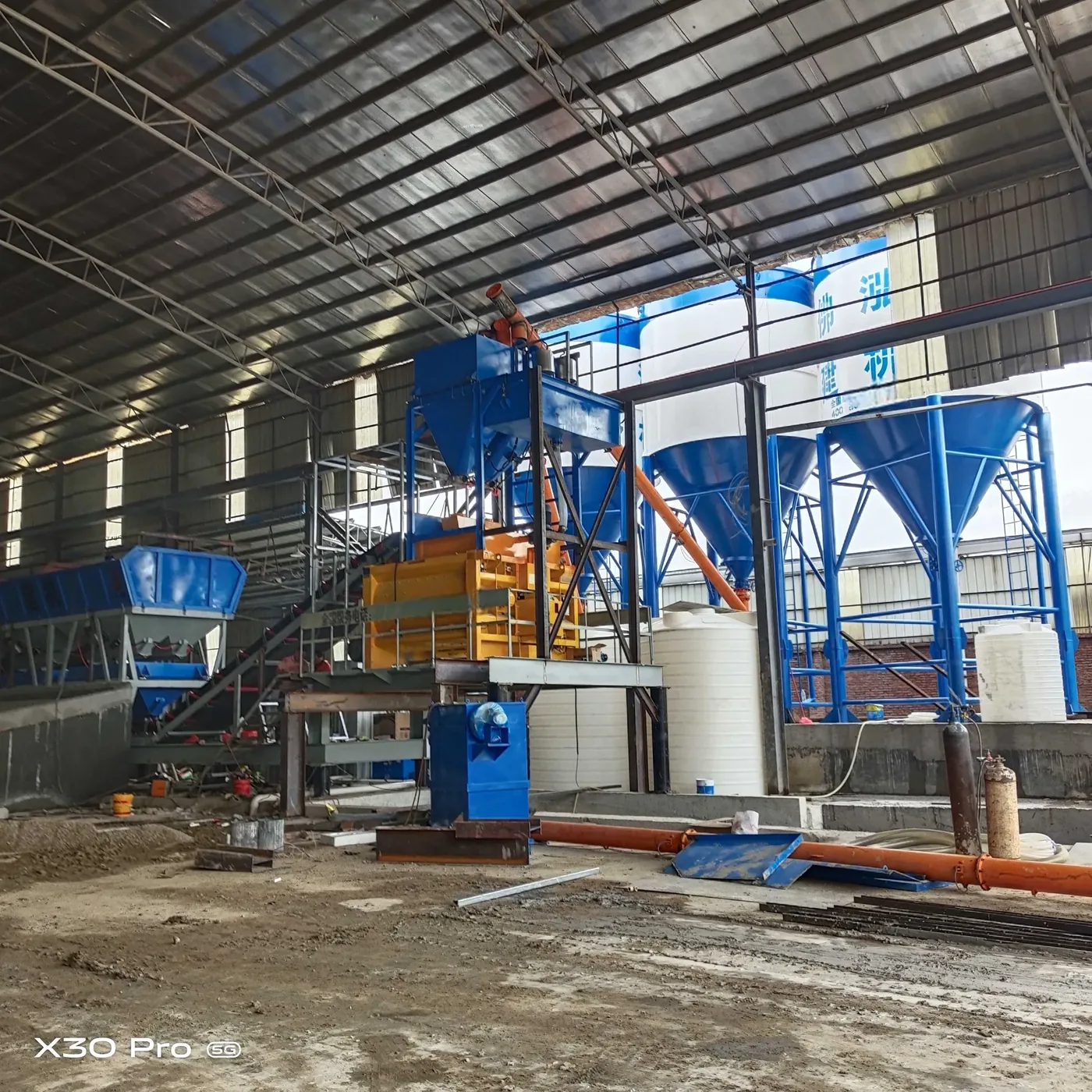
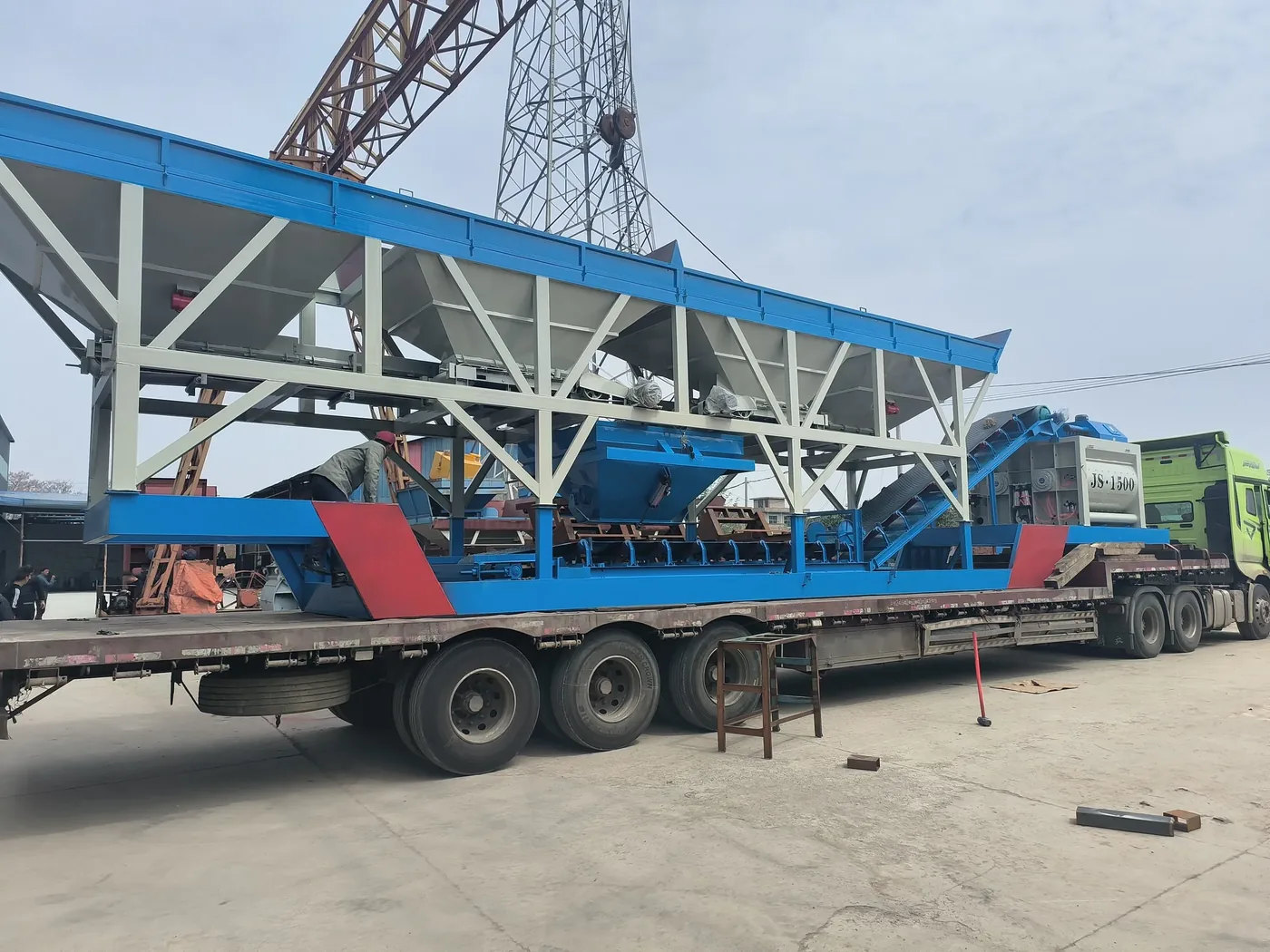
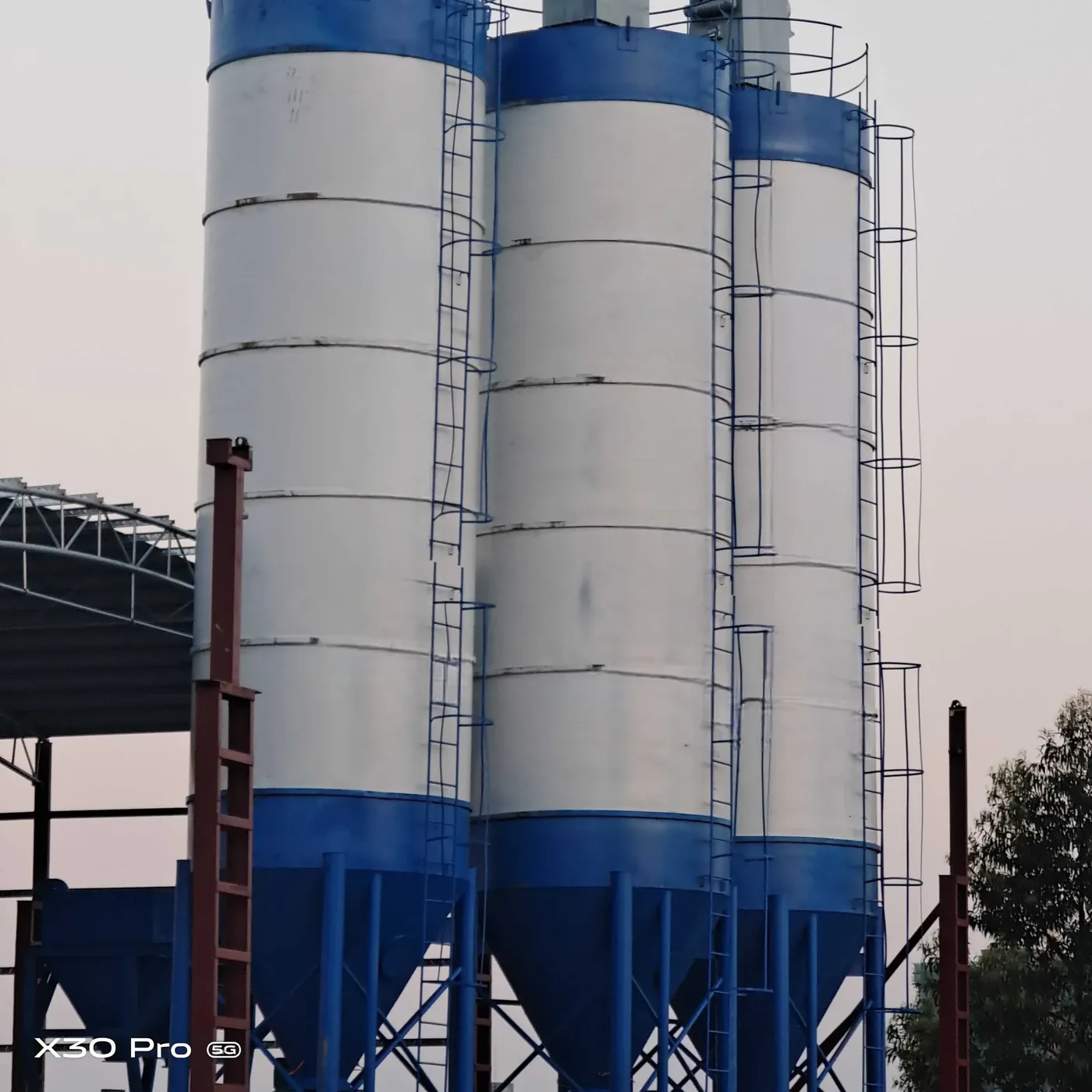
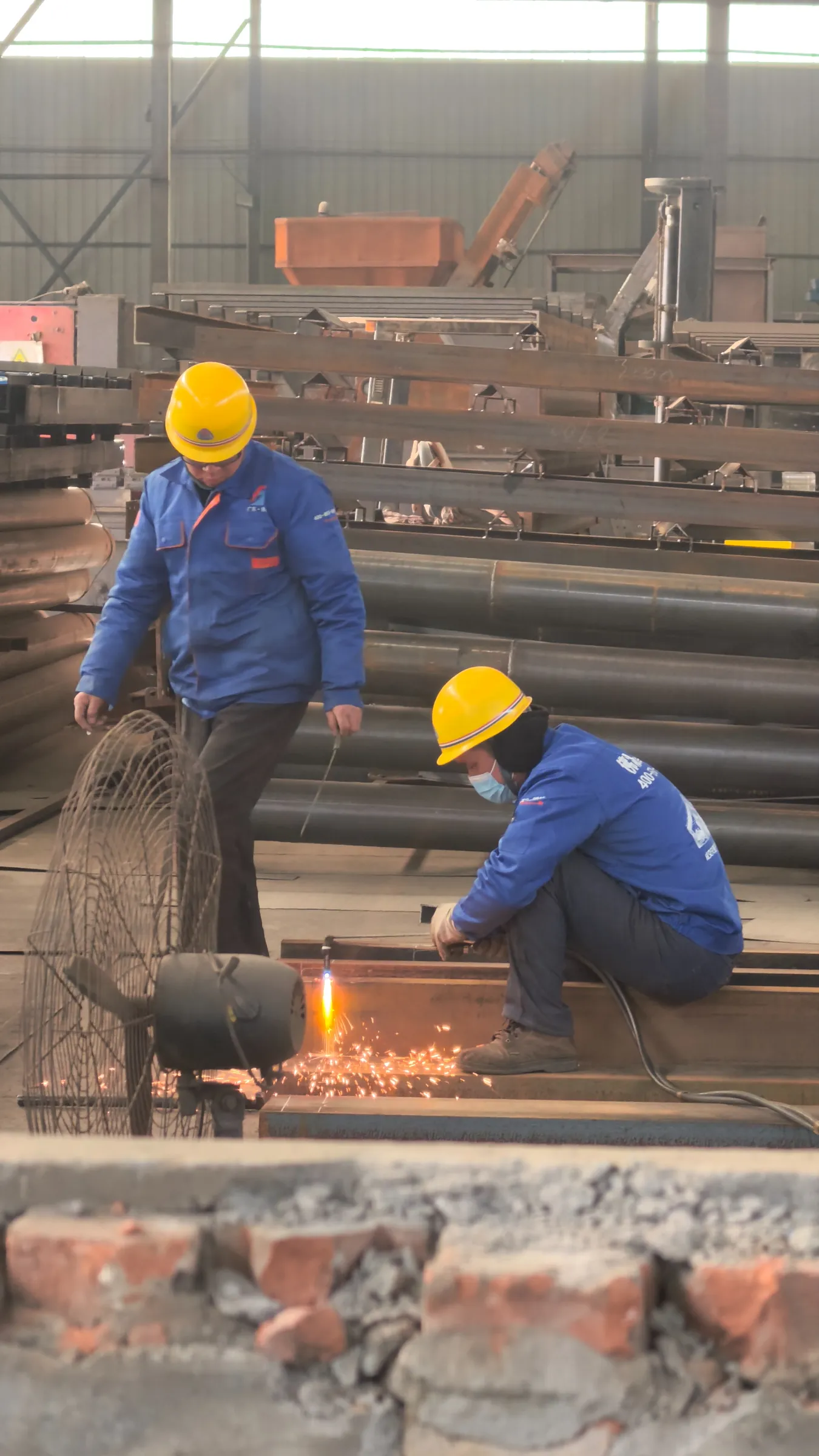
CHINA MACHINERY FACTORY
Equipment & Factory
Easysail manufactures and exports concrete equipment from China. Explore equipment options, site requirements and delivery support, then request a factory quote for your project.
Learn about Easysail Chinese machinery factory ↗FACTORY QUOTATION
Send Your Project Requirements
Existing models can be sent directly; for new projects, purposes, output, site, electrical system, country, and destination port can be provided.
Submit project information, start site planning ↗- Scope of quotation in This Section
- Station type, main mixer, storage and transport, measurement, control, and on-site interfaces
- Equipment Information
- Model, quantity, purpose, or target output
- Project Conditions
- Materials, site, electrical control, country, and destination port
- Factory quotation content
- equipment configuration, scope of supply, optional configurations, packaging, and delivery conditions
CHINA FACTORY DIRECT SALES
Request an Equipment Quote
Send the target equipment, production tasks, and destination, factory sales team will organize the product scope and quotation data.